
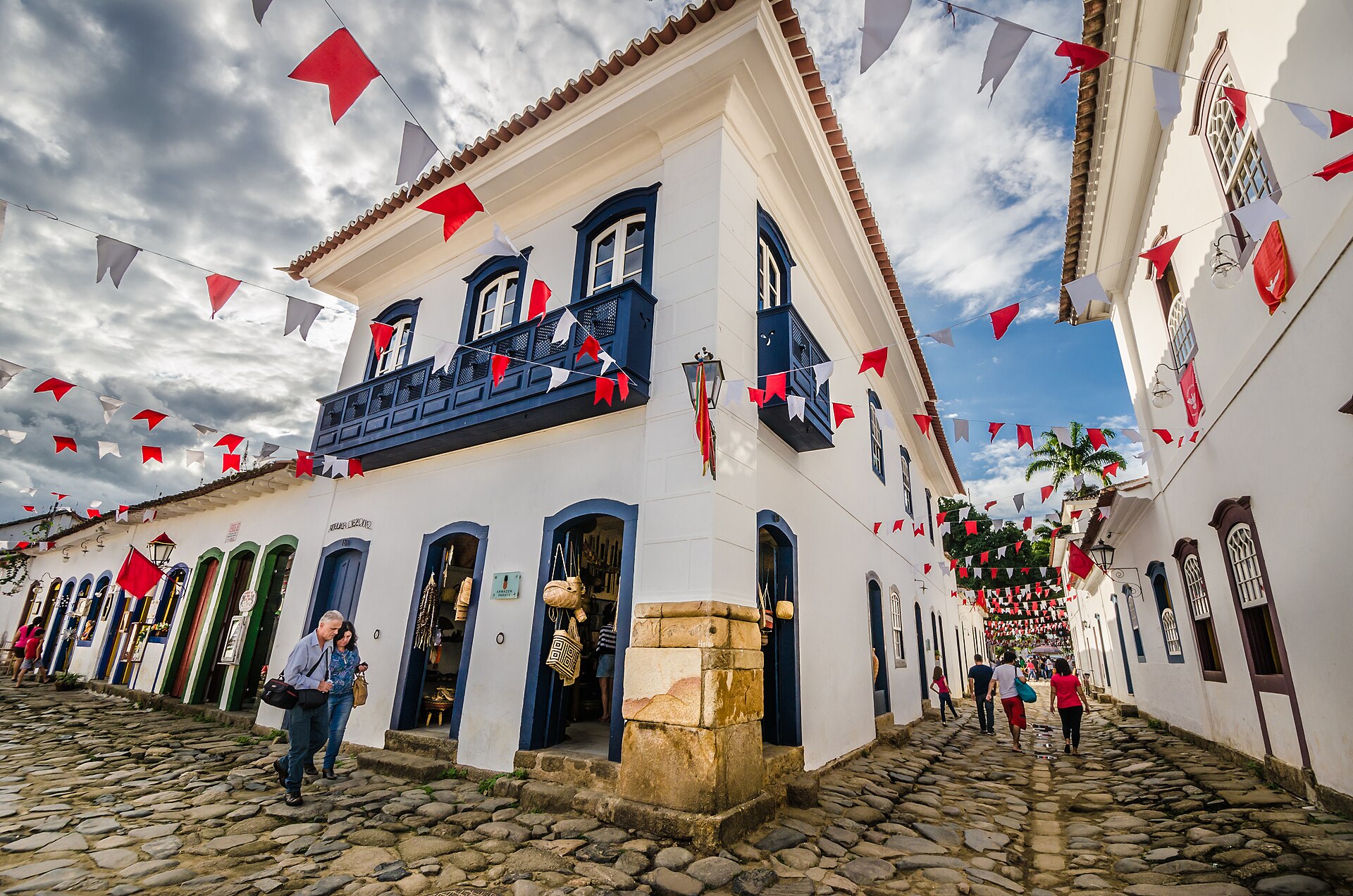
A MOMENT TO IMAGINE
A small cup, a longer conversation
A cafezinho can be a small welcome: coffee with enough room around it for a conversation. Strength and sweetness vary by household and preference. Bring that invitation into your own kitchen with a smaller serving and someone who has time to finish a sentence.
Our Brazil Santos is a medium roast described as smooth, with cocoa notes. Try it through paper first and let the actual cup guide you; “Santos” is a trade and place reference, not a coffee species. The social warmth of a coffee ritual sits alongside a difficult history: Brazil’s nineteenth-century coffee expansion relied in part on enslaved labor before abolition in 1888. A thoughtful field note can hold both the pleasure of the cup and the history that deserves attention.
What to call it
Cafezinho means a little coffee; café coado refers to filtered coffee.
How it’s brewed
A small serving of black coffee can be part of a welcome or a conversation. A cloth or paper filter makes an approachable home cup; strength and sweetness are matters of household and personal taste. Brazil also has a wide contemporary café culture.
A little history
Coffee helped transform Brazil’s economy and cities during the nineteenth century. That growth depended in part on enslaved labor before abolition in 1888, followed by major immigrant labor. The pleasant ritual of a cafezinho does not erase the difficult history behind the trade.
A small ritual to try
Brew Brazil Santos through paper, serve a smaller cup, and invite someone to linger. “Santos” is a trade and place reference, not a botanical species or a guarantee of one flavor. Let the actual roast and the cup guide your expectations.
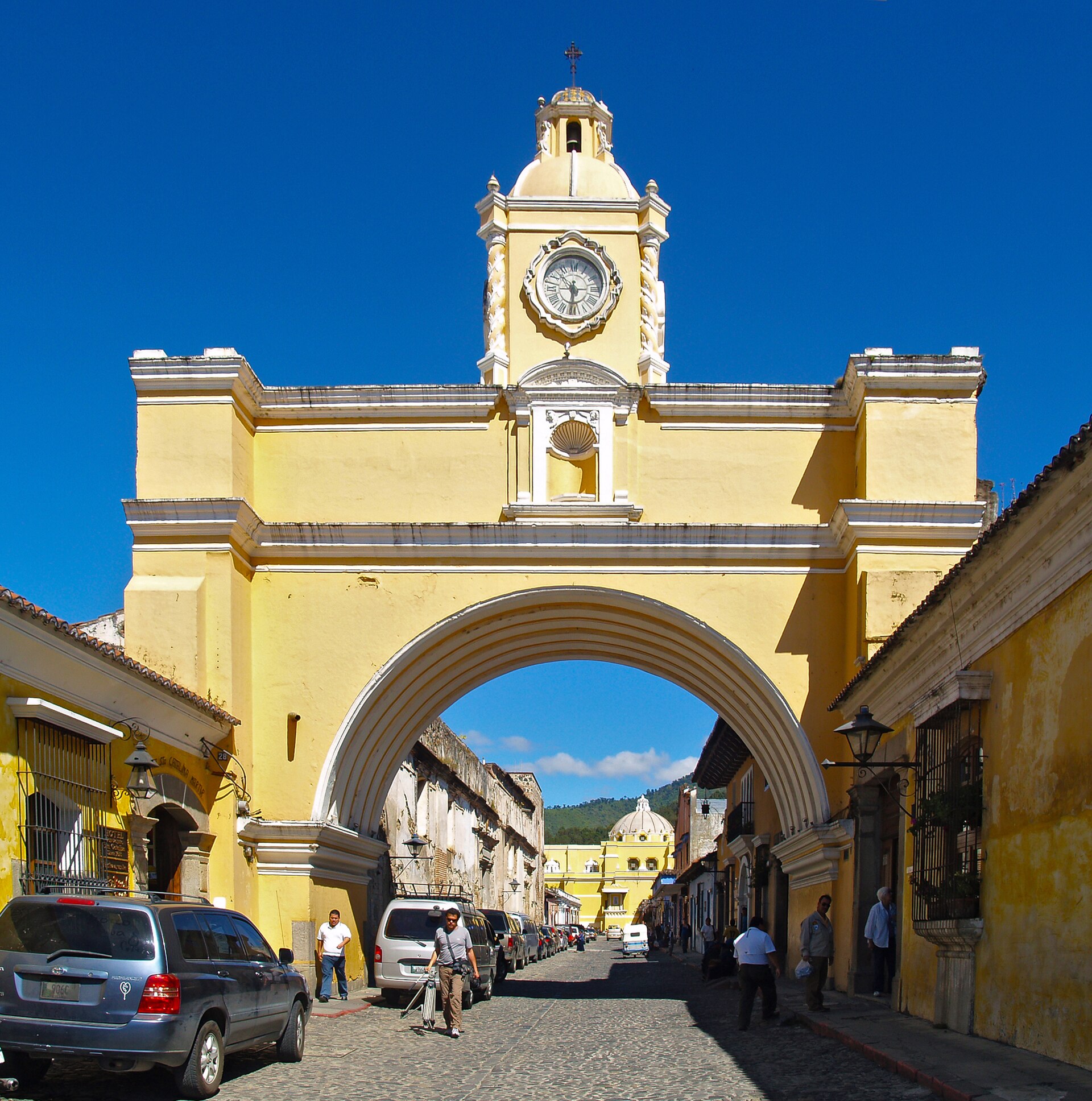
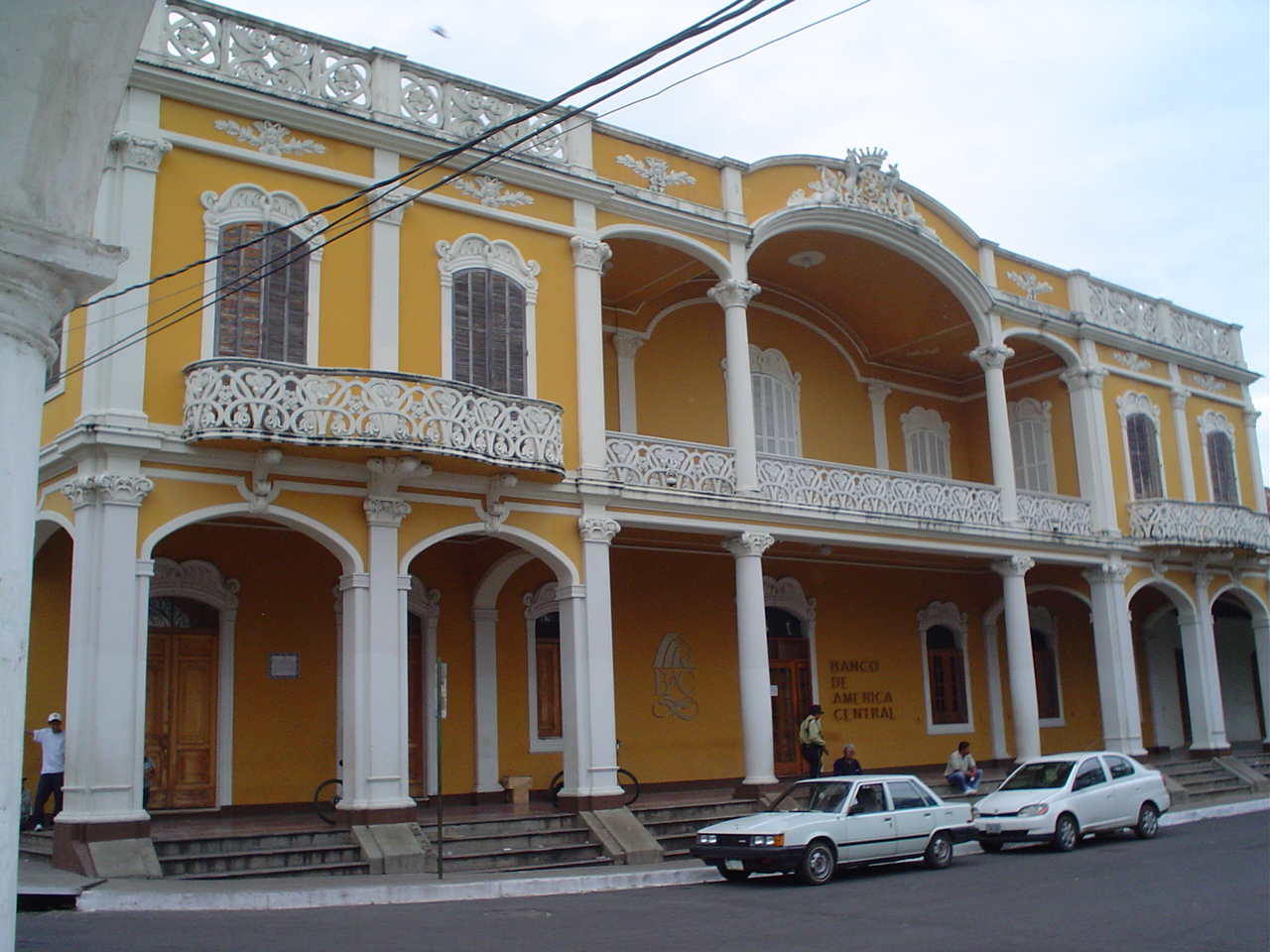
These notes introduce traditions, not rules for everyone in a country. Recipes, languages, and café habits vary by region and household. Destination photographs illustrate a place, not a claim about the farm behind a bag.
The coffee in your bag
Serve a smaller cup and leave enough time for the conversation to outlast it.
Our brewing suggestion: open the espresso guide ↗. This pairing is a way to explore the coffee at home, rather than a claim about the country’s traditional brewer.
LET YOUR TASTE KEEP WANDERING
Two more stops to explore.
Sources & further reading
Source links support the factual context. Our home recipes and tasting suggestions are identified as starting points.