A MOMENT TO IMAGINE
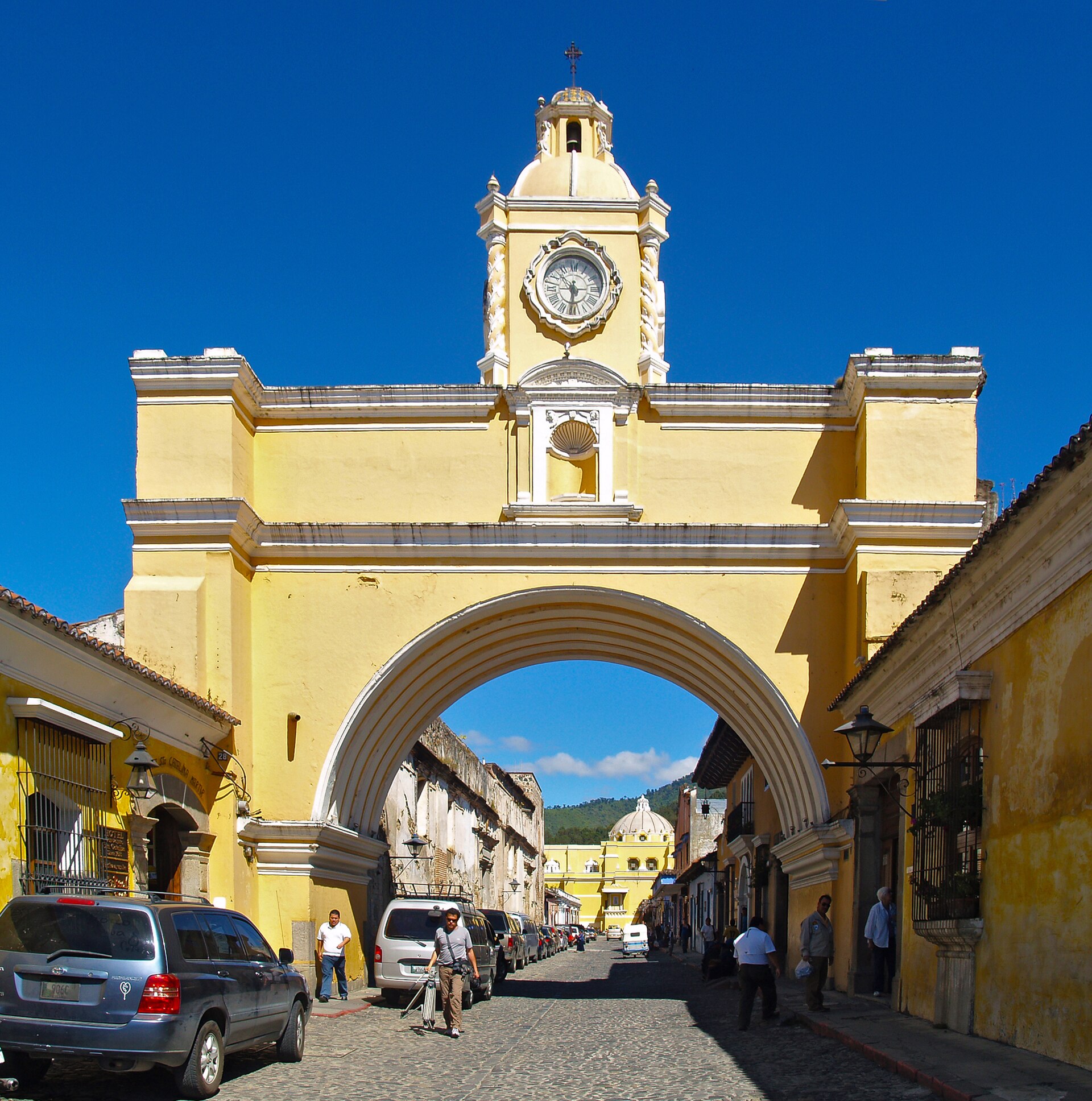
Antigua, written on the bag
A destination name is a beginning. Our Guatemala takes you one detail further: the catalog identifies smallholder farmers from Antigua, a medium roast, and dark chocolate, bright fruit, and butterscotch tasting notes. Let that be the first entry in the notebook, with room beside it for what your own cup reveals.
Make a filter brew with breakfast, then save a few sips to taste on their own. Think of it as a tiny detour in a route you know by heart. Does the cup feel different without food? There is no required answer. Guatemala’s coffee story also reaches beyond one bag and one region, through growers, research, and the work of Anacafé. Follow the regional details; they make a much better route than assuming a whole country has one flavor.
What to call it
Café is coffee in Spanish; a café negro is black coffee. Guatemala is multilingual, so Spanish is not the whole linguistic story.
How it’s brewed
Households and cafés use many methods, from brewed black coffee to contemporary espresso drinks. Our suggested starting point is a paper-filtered brew. We do not present it as a uniquely Guatemalan ritual.
A little history
Guatemala’s organized coffee sector includes Anacafé, founded in 1960. Its work in grower services and coffee research is part of a much longer agricultural history. Regional names matter: a national label cannot convey every farm’s altitude, variety, processing, or circumstances.
A small ritual to try
Try our Guatemala coffee with breakfast, then return to it without food. Notice whether sweetness or acidity feels different. A travel-minded cup begins with paying attention to place; it gets better when you also ask about the people and practices behind the bag.
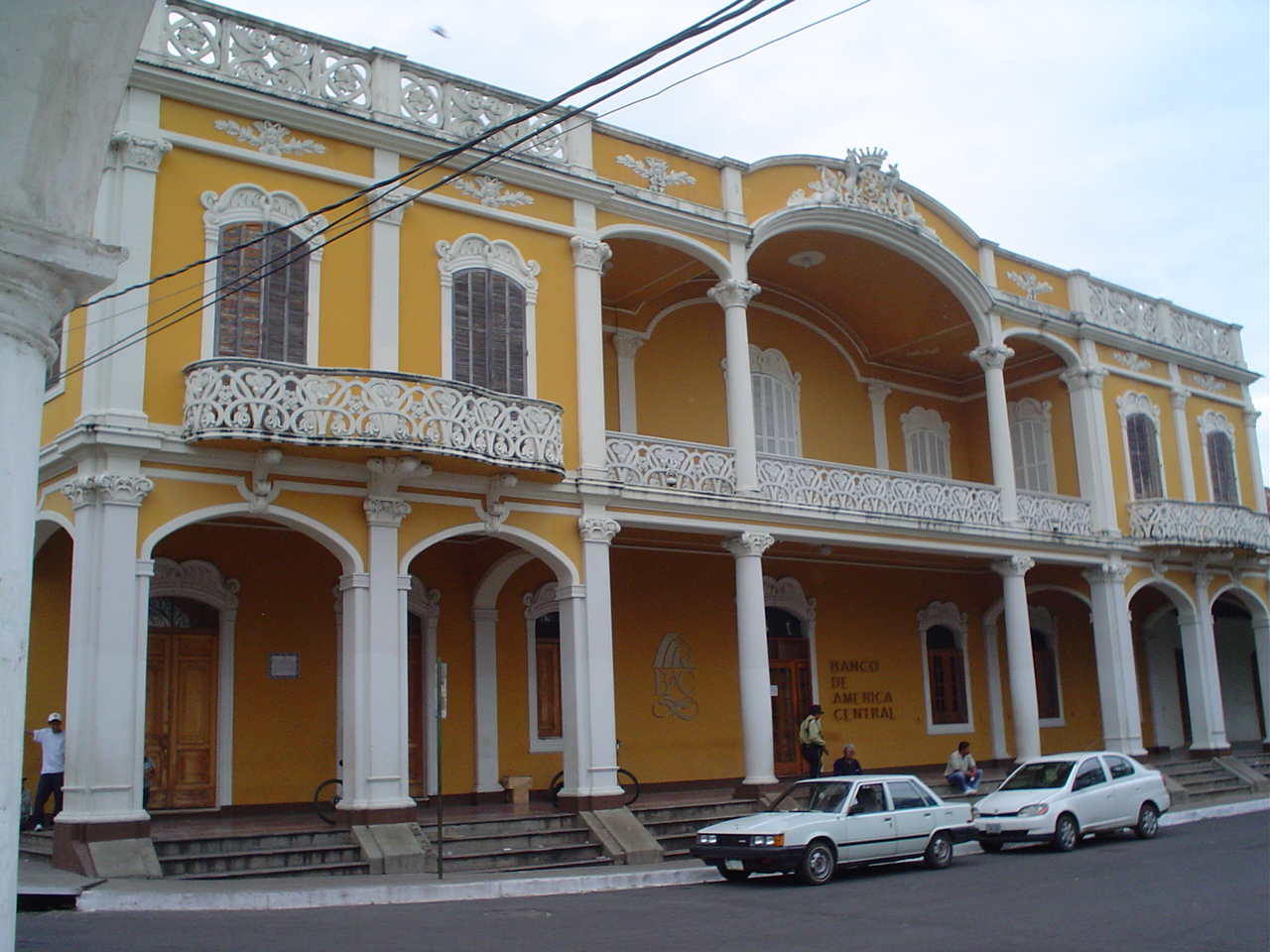
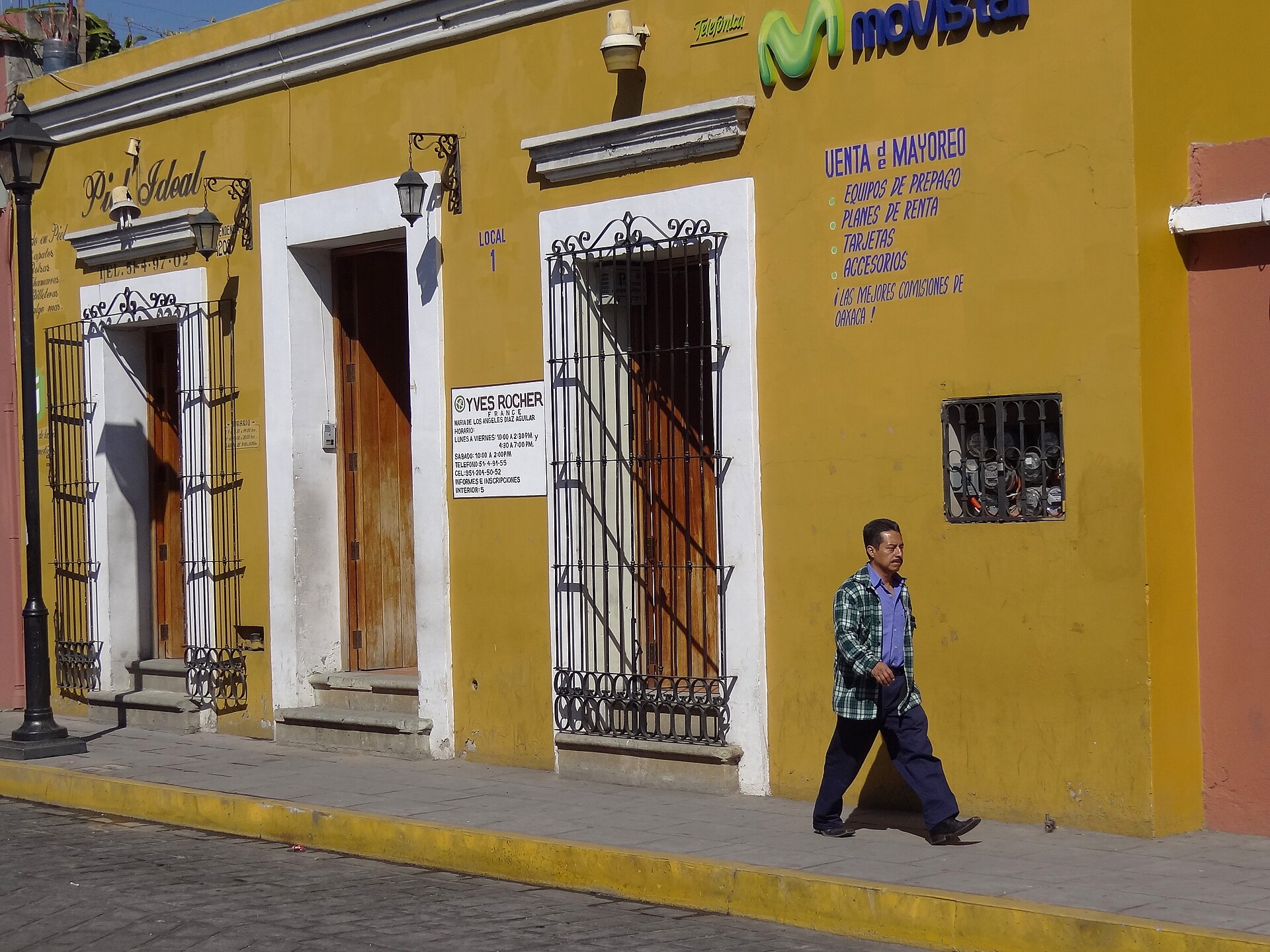
These notes introduce traditions, not rules for everyone in a country. Recipes, languages, and café habits vary by region and household. Destination photographs illustrate a place, not a claim about the farm behind a bag.
The coffee in your bag
Taste with breakfast and again without food; keep both impressions, even when they do not agree.
Our brewing suggestion: open the pour over guide ↗. This pairing is a way to explore the coffee at home, rather than a claim about the country’s traditional brewer.
LET YOUR TASTE KEEP WANDERING
Two more stops to explore.
Sources & further reading
Source links support the factual context. Our home recipes and tasting suggestions are identified as starting points.