A MOMENT TO IMAGINE
Two mornings, one bag
Give one bag two mornings. First, explore café de olla: coffee with cinnamon and piloncillo, with recipes changing by family and region. Use food-safe cookware and let the scent earn a little space in the kitchen. This is a drink tradition with many versions, rather than a single recipe that speaks for everyone.
The next morning, brew our Mexico coffee without additions. The medium roast comes from growers in Chiapas and Oaxaca and lists chocolate, cinnamon, and green apple tasting notes. That cinnamon note describes a flavor impression in the coffee; the café de olla preparation adds actual spice. Taste the difference between a bag’s character and the recipe you build around it. You do not have to choose one morning to keep.
What to call it
Café de olla names a pot-brewed coffee often sweetened with piloncillo and scented with cinnamon.
How it’s brewed
Recipes differ by region and family. A clay pot is associated with the drink, but a food-safe saucepan can make an approachable home version. Infuse cinnamon and piloncillo in water, add coffee off the heat, steep briefly, and strain.
A little history
Mexico’s Ministry of Culture dates coffee’s arrival to the late eighteenth century and its spreading consumption to the nineteenth. Café de olla is one important preparation among many; Mexican coffee culture includes growing communities, breakfast tables, street stalls, and modern cafés.
A small ritual to try
Make a small pot of spiced coffee, then taste the same beans without additions the next morning. Neither cup needs to win. One explores a recipe, the other lets the coffee speak more directly. Use food-safe cookware; a souvenir pot is not automatically suitable for brewing.
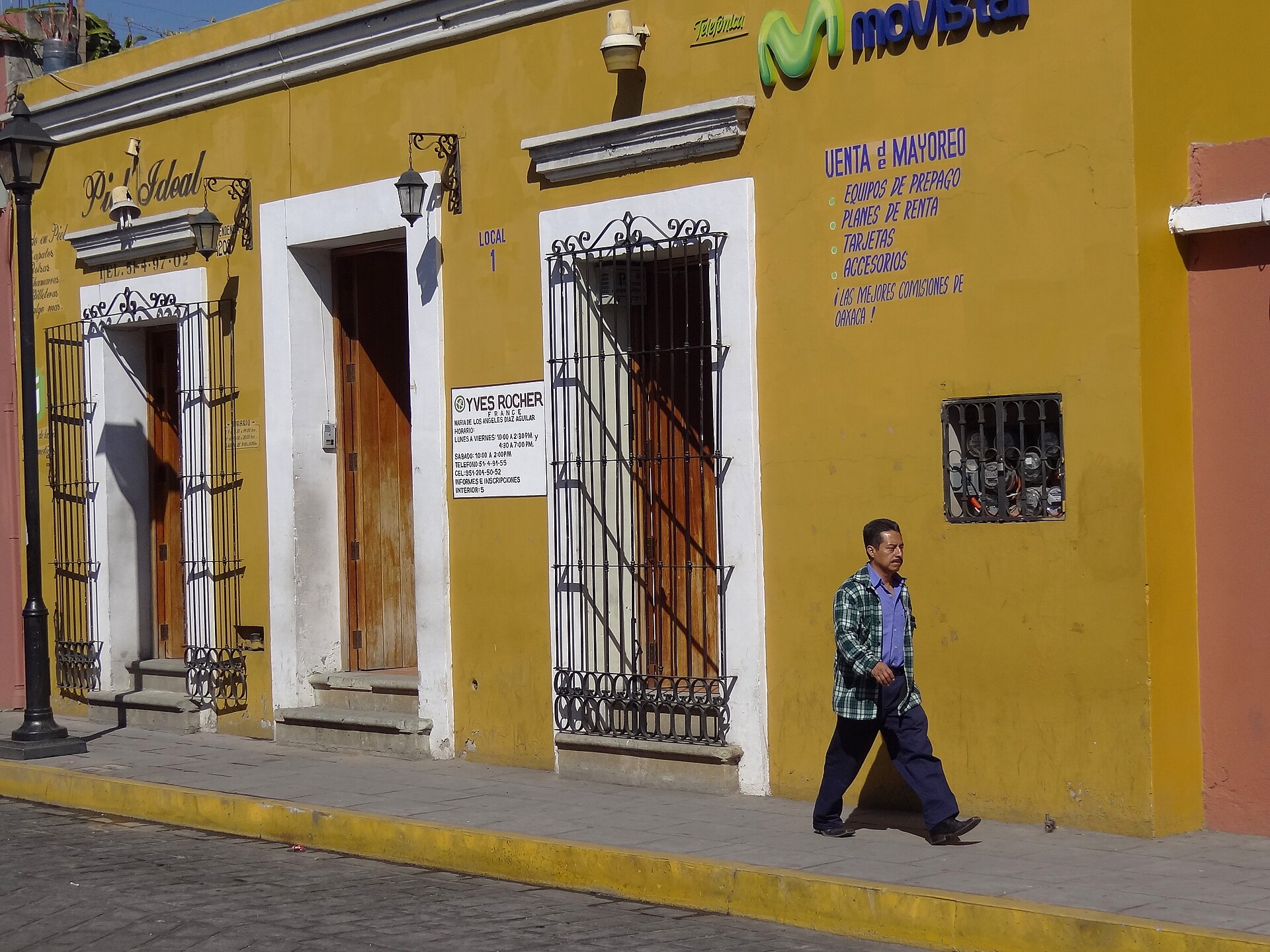
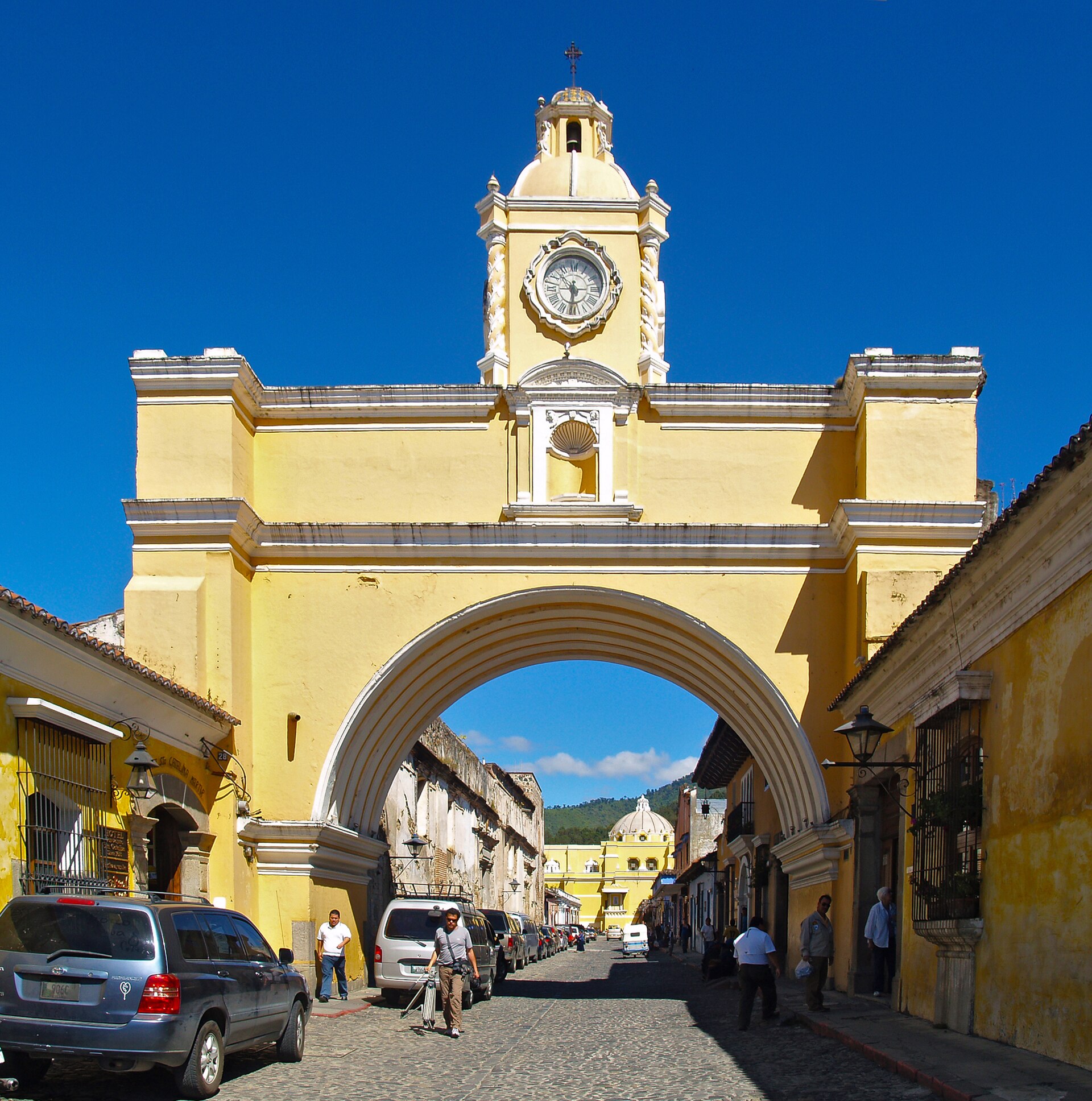
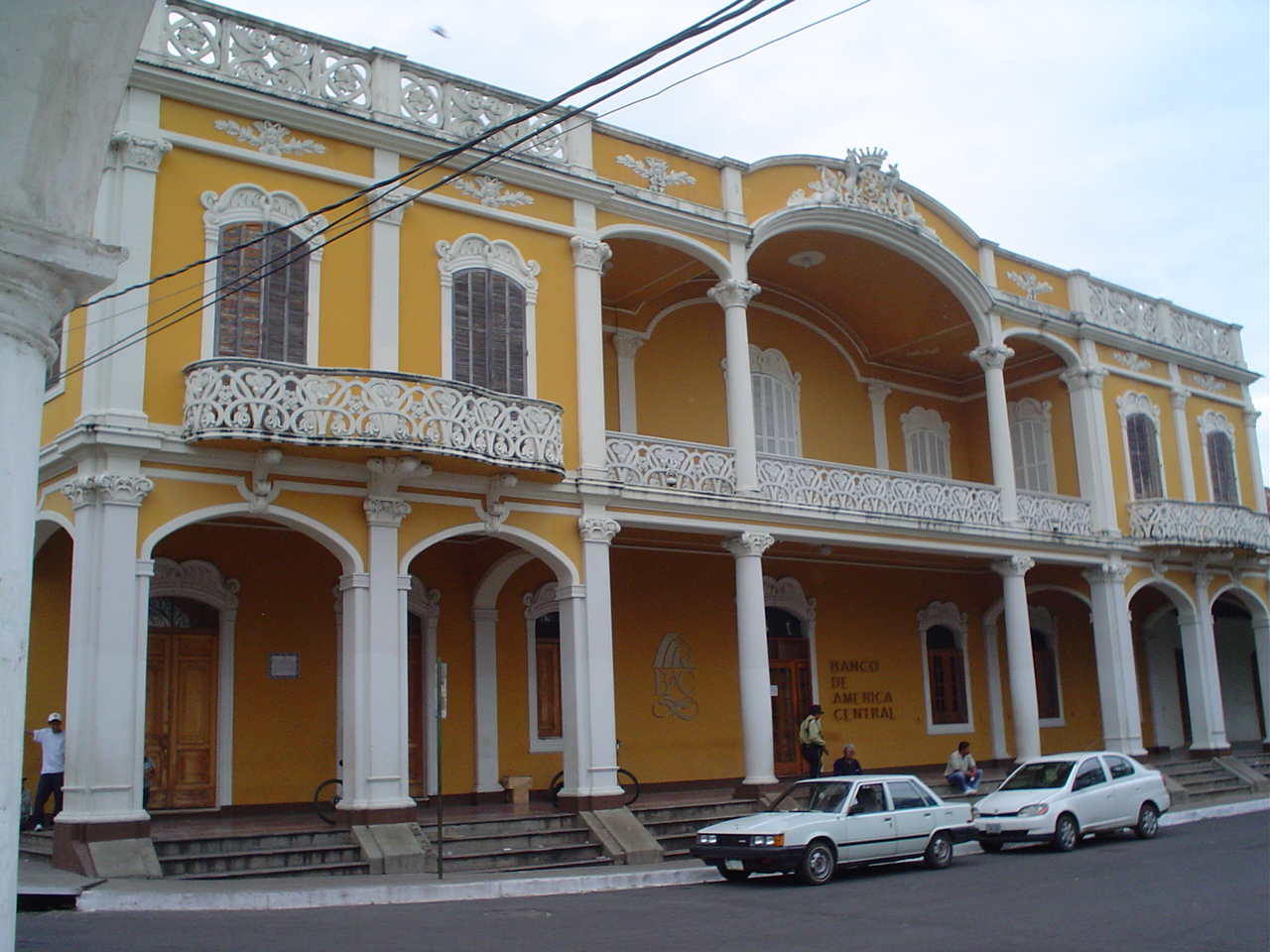
These notes introduce traditions, not rules for everyone in a country. Recipes, languages, and café habits vary by region and household. Destination photographs illustrate a place, not a claim about the farm behind a bag.
The coffee in your bag
Try a spiced cup one day and a plain cup the next; give each its own place in your notes.
Our brewing suggestion: open the drip coffee guide ↗. This pairing is a way to explore the coffee at home, rather than a claim about the country’s traditional brewer.
LET YOUR TASTE KEEP WANDERING
Two more stops to explore.
Sources & further reading
Source links support the factual context. Our home recipes and tasting suggestions are identified as starting points.