
A MOMENT TO IMAGINE
Leave time between the cups
Some coffee stories need a little more room than a quick stop. In many Ethiopian ceremonies, roasting, grinding, and brewing in a jebena make space for people to be together. The gathering is part of the story. Let your next cup be a reason to sit with someone for a little longer.
Our Ethiopia Natural comes from smallholder farmers in the Sidama zone. The bag describes a medium-light roast with milk chocolate, fruity, and caramel notes. Try it through paper, then return when the cup has cooled a little. Make a second note before reaching for a second destination. Ethiopia is a birthplace of Arabica; the familiar goat-herder tale belongs to legend. There is already enough to discover without dressing the history up.
What to call it
Buna is the Amharic word for coffee; jebena names the clay brewing pot.
How it’s brewed
In many Ethiopian coffee ceremonies, green beans are roasted, ground, and brewed in a jebena before serving in small cups. It is social time as much as preparation; practices vary among communities and households.
A little history
Ethiopia is a birthplace of Arabica coffee. The popular Kaldi-and-his-goats tale is a legend rather than a documented discovery date. A useful history keeps the plant’s origins separate from later stories about who first drank it.
A small ritual to try
At home, try Ethiopia Natural as a paper-filtered pour-over to explore its character. That is our modern tasting suggestion, not a substitute for a hosted ceremony. If invited to one, let your host set the pace. The good part may be the conversation between cups.
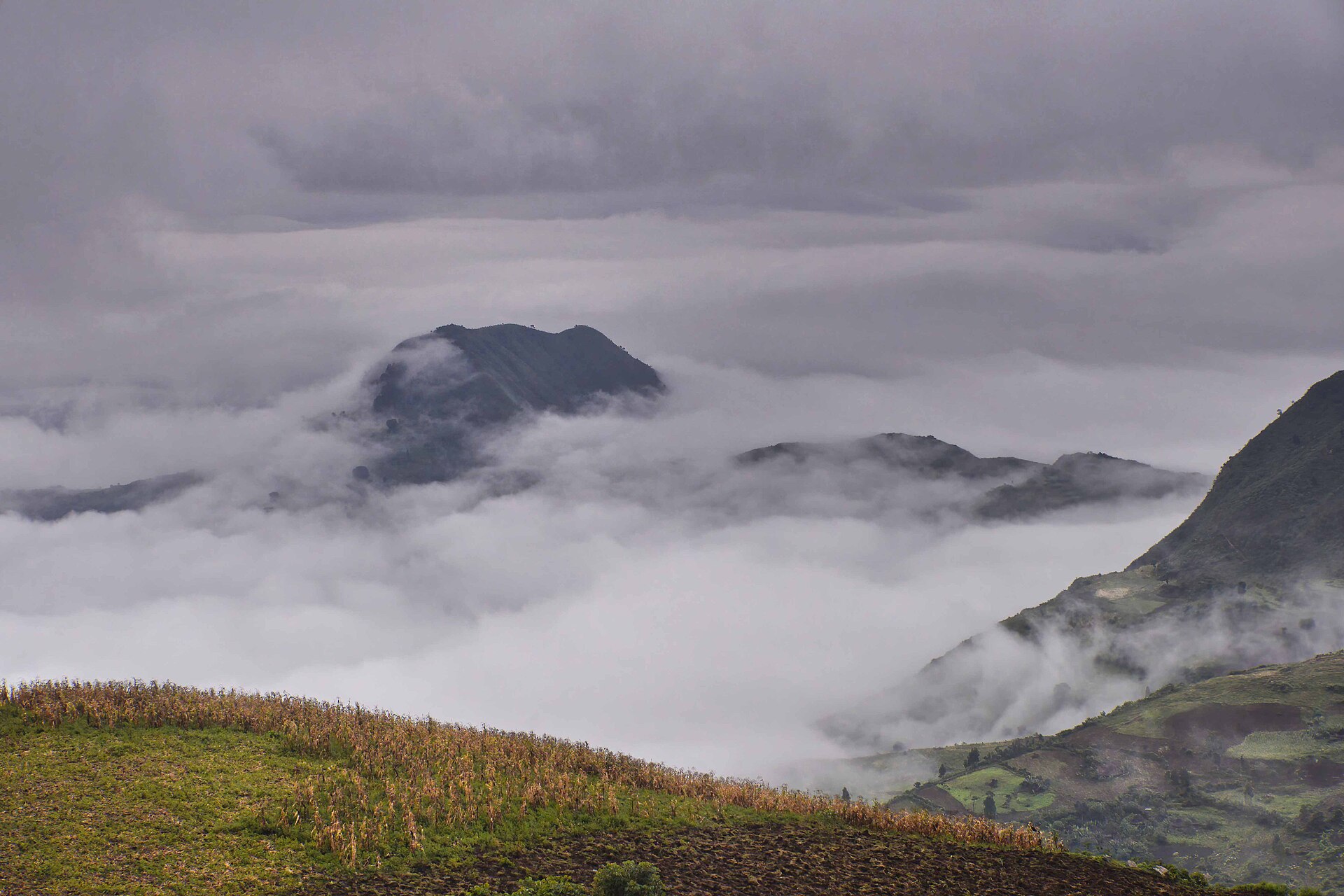
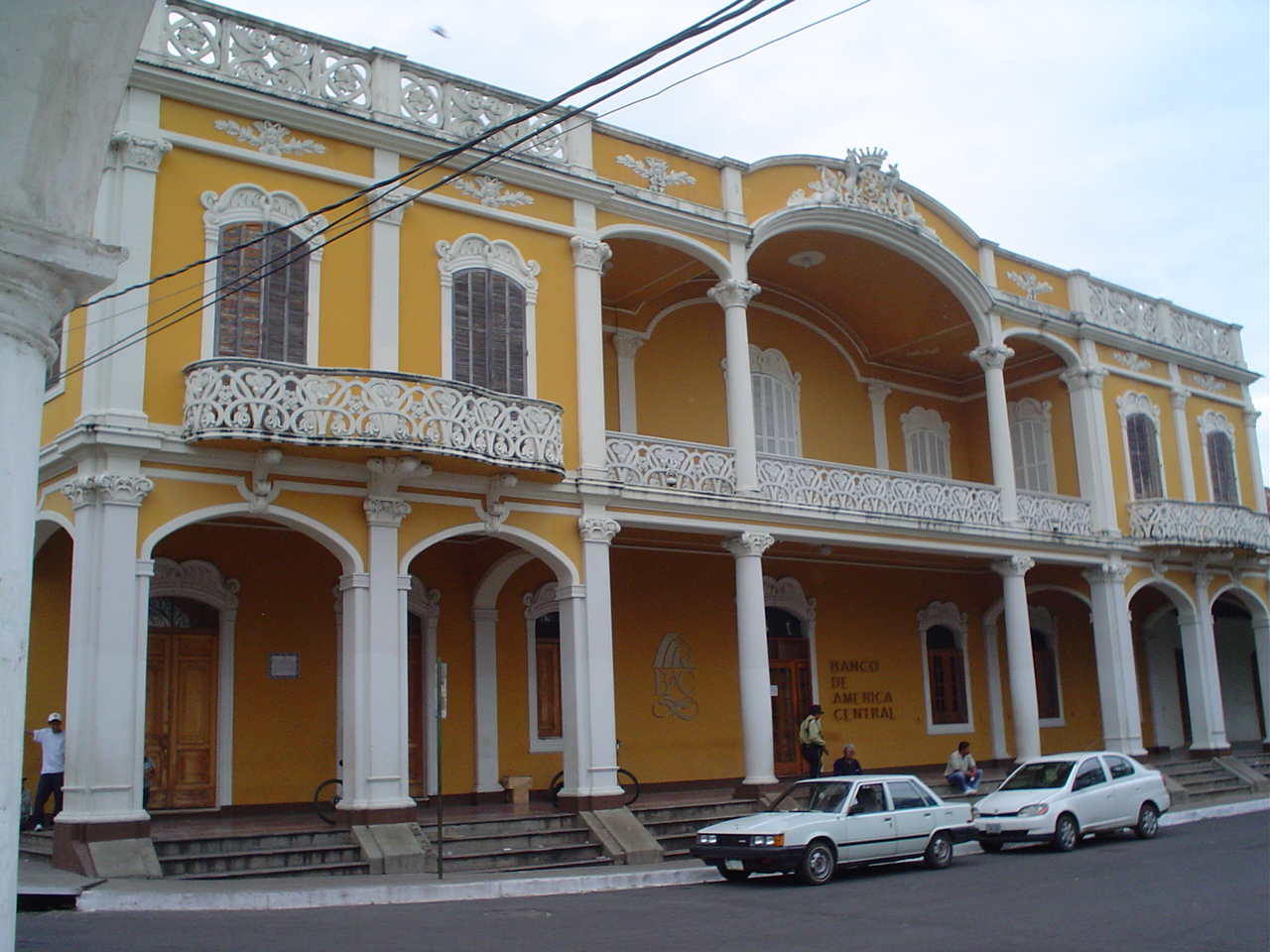
These notes introduce traditions, not rules for everyone in a country. Recipes, languages, and café habits vary by region and household. Destination photographs illustrate a place, not a claim about the farm behind a bag.
The coffee in your bag
Put your phone away until the cup is warm rather than hot; notice what the extra time changes.
Our brewing suggestion: open the pour over guide ↗. This pairing is a way to explore the coffee at home, rather than a claim about the country’s traditional brewer.
LET YOUR TASTE KEEP WANDERING
Two more stops to explore.

Sources & further reading
Source links support the factual context. Our home recipes and tasting suggestions are identified as starting points.