
A MOMENT TO IMAGINE
Three stops in the same cup
A tasting itinerary can be surprisingly short: hot, warm, nearly cool. Our Kenya coffee gives it somewhere interesting to go. The catalog names Othaya in Nyeri County and lists orange, lemon, floral, and bright acidity among its tasting notes. Take those as clues, then decide what you notice for yourself.
Use a paper-filtered brew and keep a little back for each temperature. Let each temperature be a new stop on the route. Write a few ordinary words at each stop: sharper, softer, sweeter, worth another sip. Then look beyond the flavor list. The history of Kenyan coffee includes colonial restrictions and the later expansion of smallholder participation. Place brings people and history into the cup, alongside the taste.
What to call it
Kahawa is Swahili for coffee; language and ordering habits vary by place.
How it’s brewed
Kenya’s growing regions do not share one universal household brew. Contemporary cafés use filter and espresso methods. Our home suggestion is a paper-filtered pour-over, which makes it easy to compare aromas as the cup cools.
A little history
Kenya’s Agriculture and Food Authority records planting at Bura in the Taita Hills in 1893, followed by Kibwezi in 1900 and Kikuyu in 1904. That commercial history involved colonial restrictions; smallholder participation later expanded.
A small ritual to try
Taste your Kenyan cup at three temperatures instead of chasing one perfect first sip. Hot, warm, and nearly cool can feel like different stops on the same route. Origin is a starting point, though: variety, processing, roasting, and brewing also shape the result.
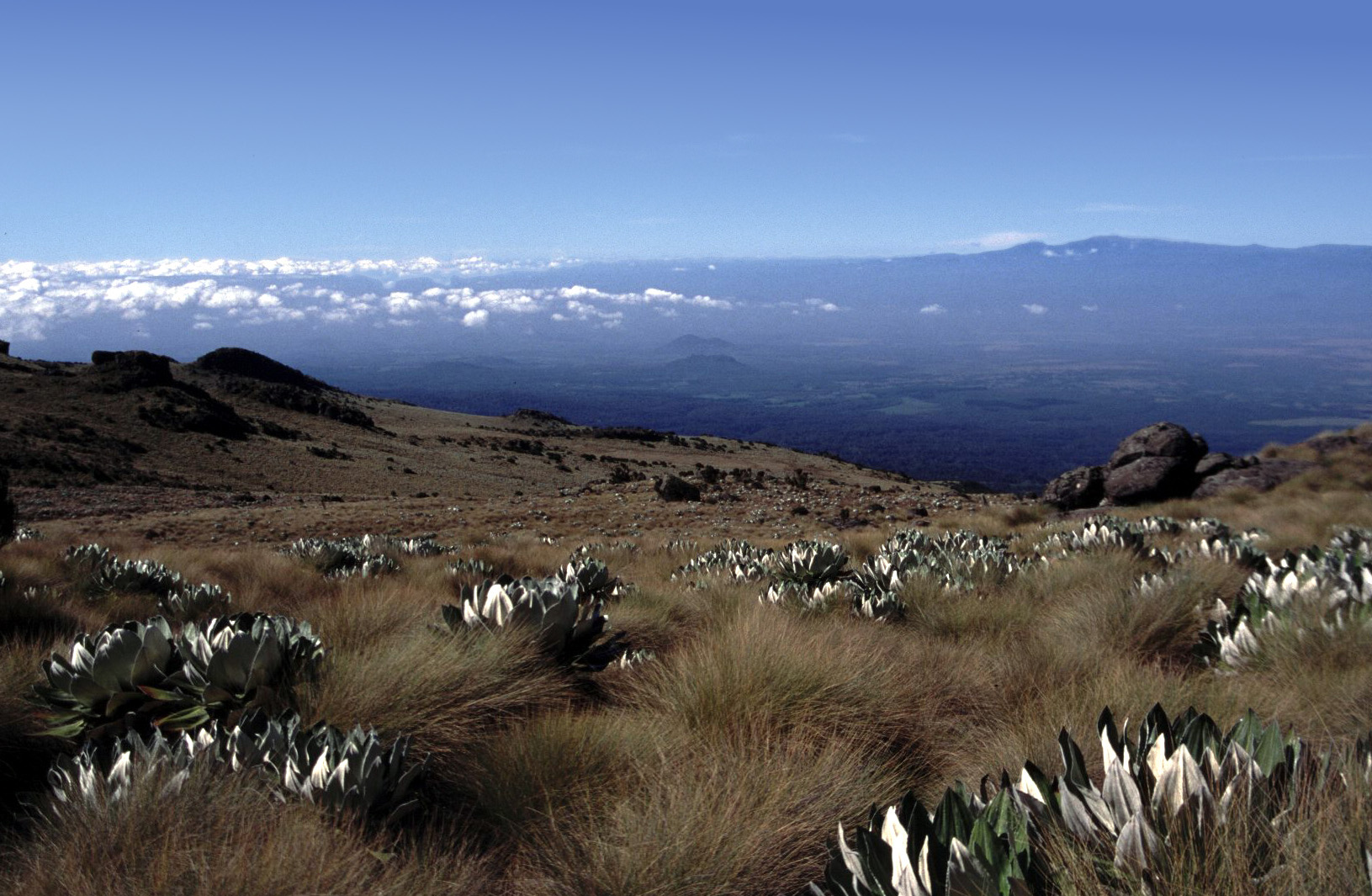
These notes introduce traditions, not rules for everyone in a country. Recipes, languages, and café habits vary by region and household. Destination photographs illustrate a place, not a claim about the farm behind a bag.
The coffee in your bag
Make three notes as your cup cools, as if each temperature were another stop on the route.
Our brewing suggestion: open the pour over guide ↗. This pairing is a way to explore the coffee at home, rather than a claim about the country’s traditional brewer.
LET YOUR TASTE KEEP WANDERING
Two more stops to explore.
Sources & further reading
Source links support the factual context. Our home recipes and tasting suggestions are identified as starting points.