
A MOMENT TO IMAGINE
Read past the country name
On a good journey, the most useful detail can be the one written in smaller type. Our Tanzania coffee names Mbeya and small cooperative farmers in that area. It is a medium-light roast with pear, floral, jasmine, and strawberry tasting notes. That gives your first cup a more specific starting point than a country name alone.
Brew a measured filter cup and taste it again after a few minutes. This is a home experiment, rather than a nationwide Tanzanian custom. The broader history has several routes of its own: older Robusta traditions around Kagera and Arabica cultivation on Kilimanjaro’s slopes are distinct parts of the story. Keep those places distinct from the Mbeya coffee in your bag. A little attention to the label makes the map more interesting.
What to call it
Kahawa is the Swahili term for coffee.
How it’s brewed
There is more than one Tanzanian coffee story: the Coffee Board describes long-standing Robusta traditions around Kagera as well as Arabica production in highland regions. Do not turn a single preparation into a national rule. For a simple home cup, start with filter coffee.
A little history
The Tanzania Coffee Board places successful Arabica cultivation on Kilimanjaro’s slopes in the late 1880s, while documenting older Robusta traditions in Kagera. Treating all Tanzanian coffee as one late colonial arrival erases that distinction.
A small ritual to try
Try a measured pour-over of Tanzania, and let it cool before your final verdict. If your bag says peaberry, that describes a rounded seed form, not a separate coffee species or a brewing method. Keep the label useful, not mysterious.
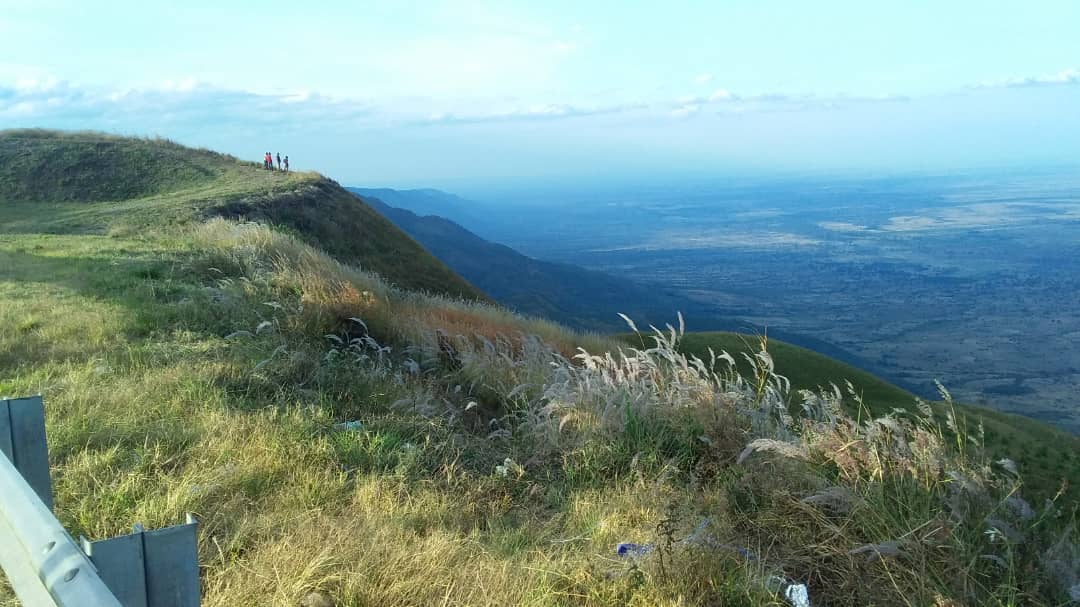
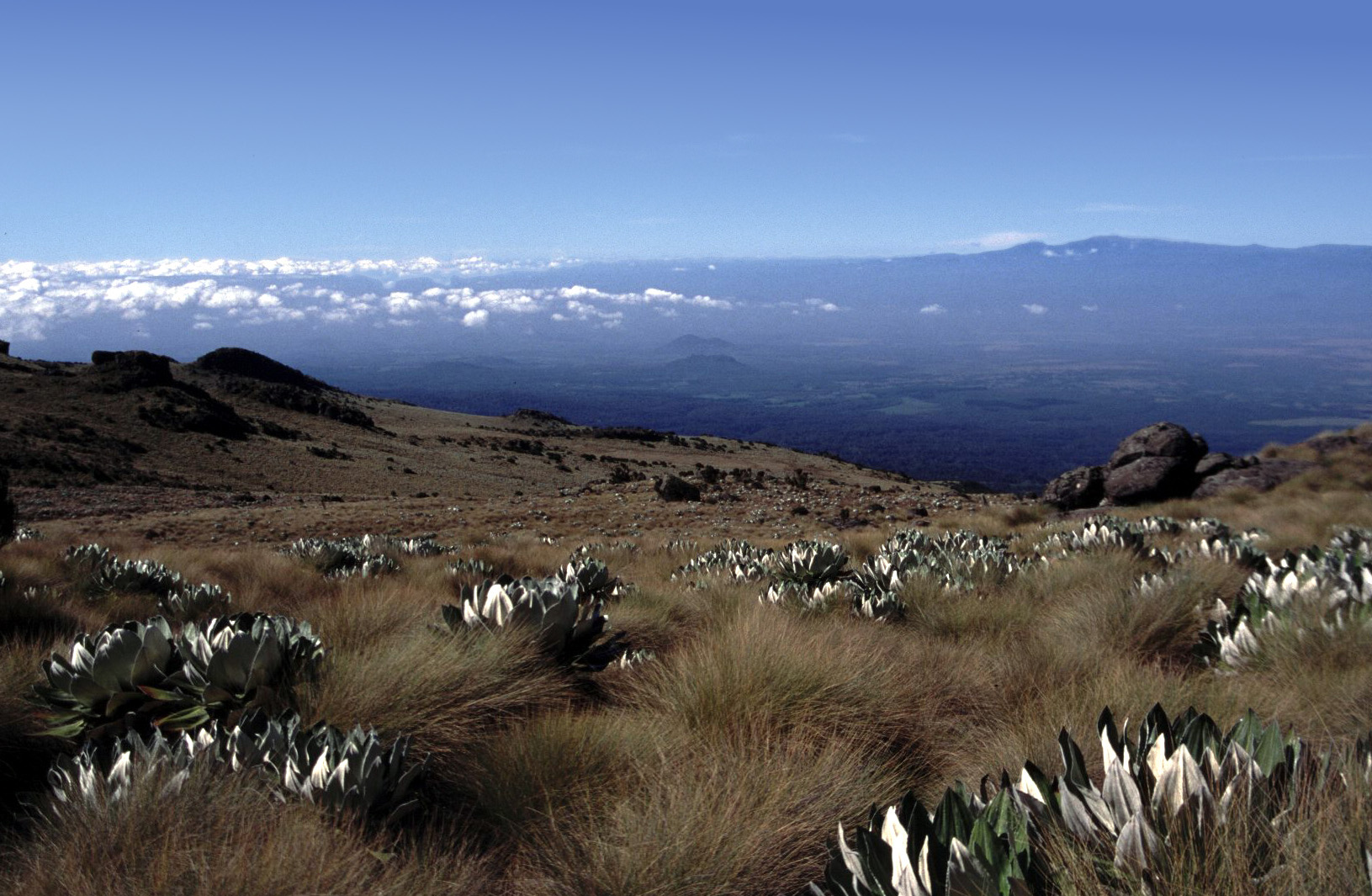
These notes introduce traditions, not rules for everyone in a country. Recipes, languages, and café habits vary by region and household. Destination photographs illustrate a place, not a claim about the farm behind a bag.
The coffee in your bag
Write “Mbeya” beside your tasting note, then let the cup cool before adding a second observation.
Our brewing suggestion: open the pour over guide ↗. This pairing is a way to explore the coffee at home, rather than a claim about the country’s traditional brewer.
LET YOUR TASTE KEEP WANDERING
Two more stops to explore.
Sources & further reading
Source links support the factual context. Our home recipes and tasting suggestions are identified as starting points.