
THE SHORT ANSWER
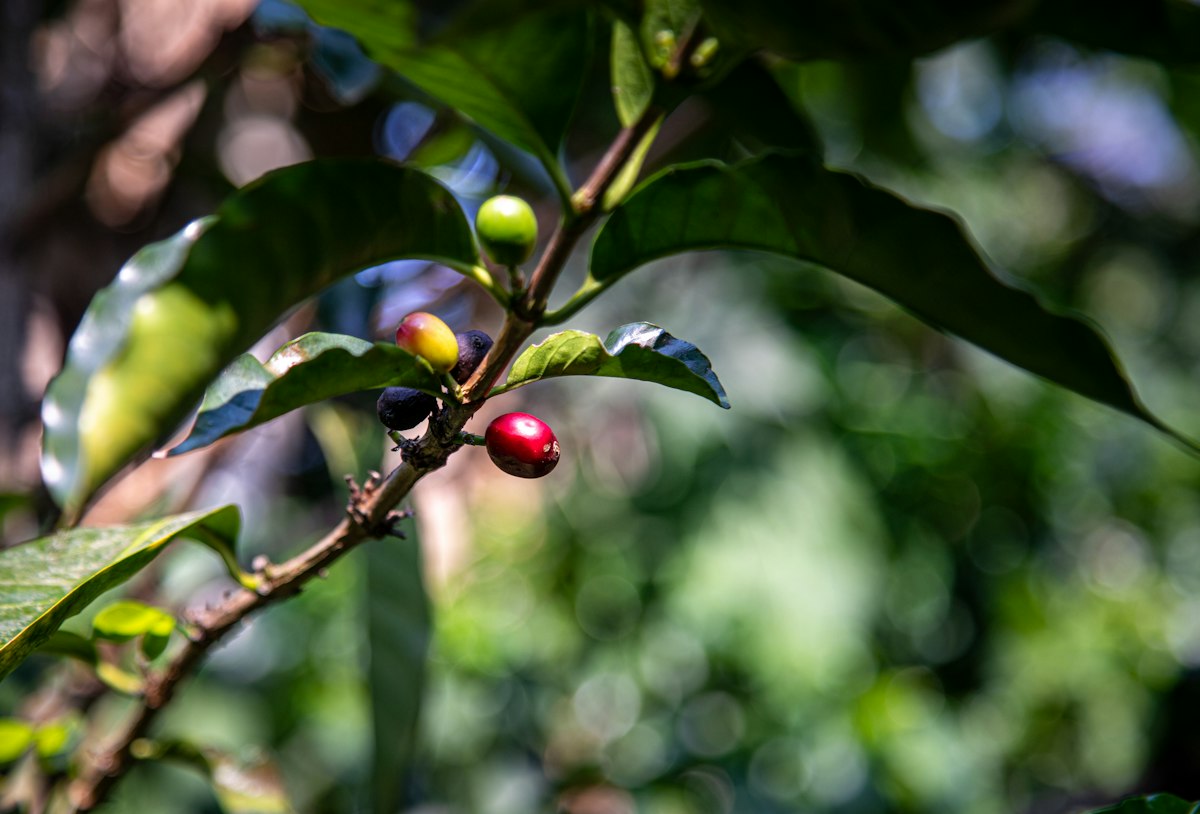
Arabica coffee’s botanical origins are in Ethiopia; Yemen played a central role in the early cultivation and spread of coffee drinking. The familiar goat-herder discovery story is a legend, not a securely documented historical event.
A plant and a drink have different histories
Knowing where a plant originated does not tell us exactly when people first brewed it. The Plant Humanities Lab describes clearer historical evidence around fifteenth-century Yemen, where coffee was associated with Sufi practice. Earlier movement and use are harder to reconstruct, so a confident single discovery date would mislead.
Follow the people, not just the map
Coffee travelled through trade, religious life, port cities and social gathering places. Its later expansion also involved colonial power and coerced labour. A cheerful map of beans hopping from country to country leaves out the people whose work made those journeys possible.
Bring curiosity to the next cup
When exploring an origin, ask who grew the coffee, how it was processed and which local drinking traditions exist alongside the export industry. Do not assume the way a country grows coffee is the only way people there drink it. A good coffee story gives credit, admits uncertainty and leaves you with more interesting questions than a cartoon goat can answer.
Change one thing, taste, and keep a short note. A recipe becomes useful when you can repeat the cup you enjoy.
Try it for yourself
Sources & further reading
Source links support the factual context. Our home recipes and tasting suggestions are identified as starting points.