
THE COFFEE QUESTIONS
Good questions. Better coffee.
Twenty useful starting points for your coffee curiosity. Pick a question, get a clear answer, and try something in your next cup.
Coffee basics
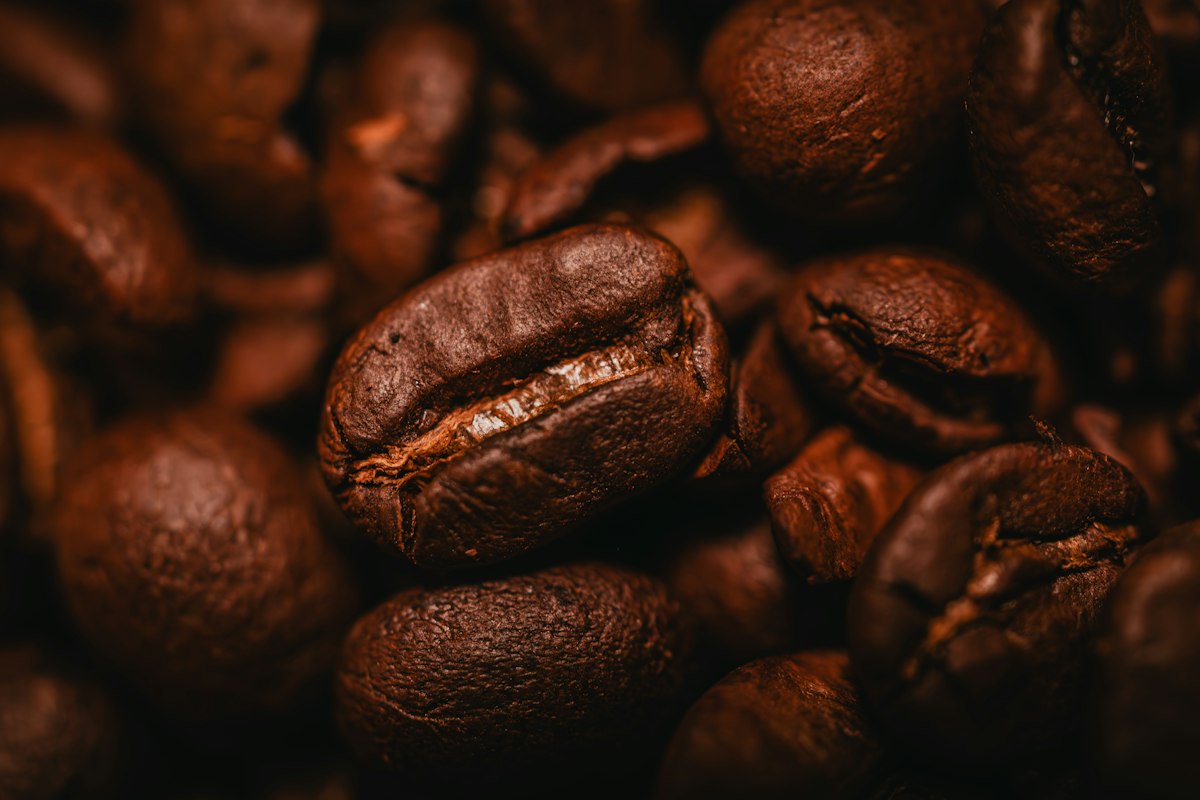
How much caffeine is in a cup of coffee?
There is no single caffeine number for a cup. The FDA gives a typical range of 113–247 mg for 12 US fluid ounces of regular brewed, non-specialty coffee. Size, beans, dose and recipe all matter.
Follow your curiosity ↗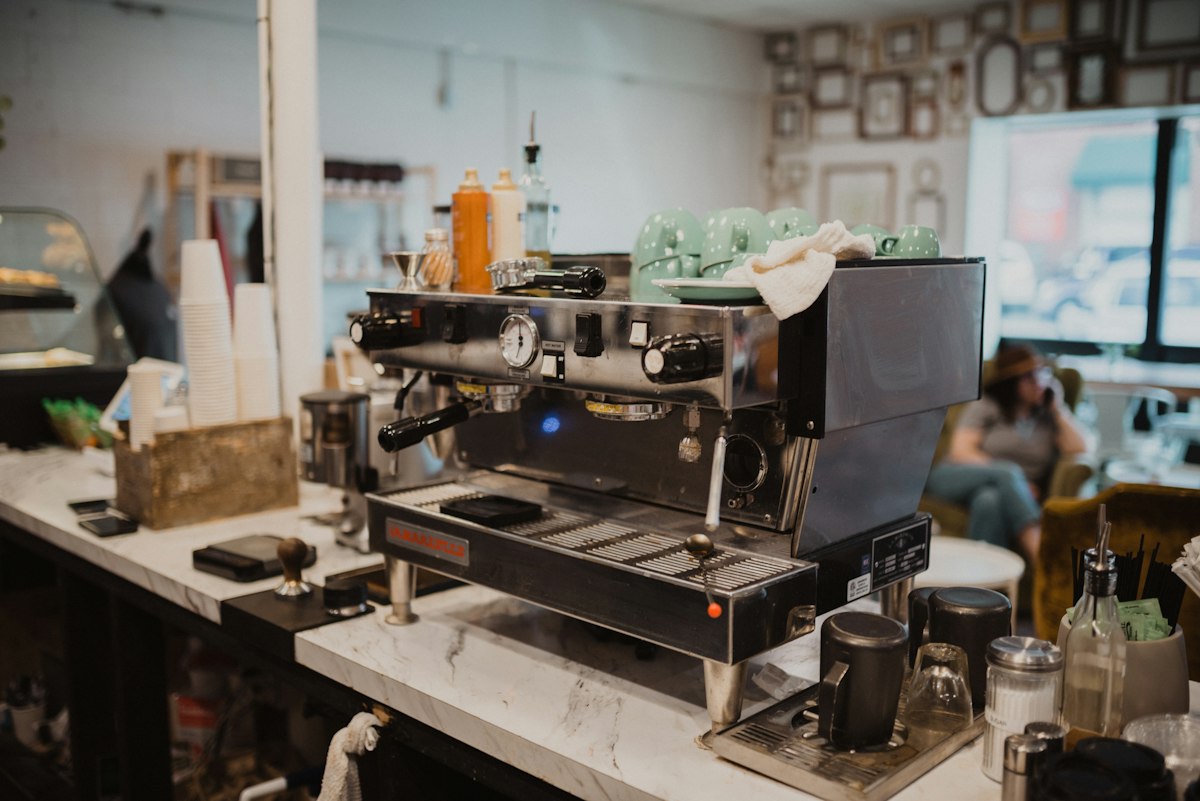
Coffee basics
Espresso vs coffee: what is actually different?
Espresso is coffee brewed by pushing hot water through a compact bed of finely ground coffee under pressure. Filter coffee uses a different route through the grounds and usually produces a larger, less concentrated drink.
Follow your curiosity ↗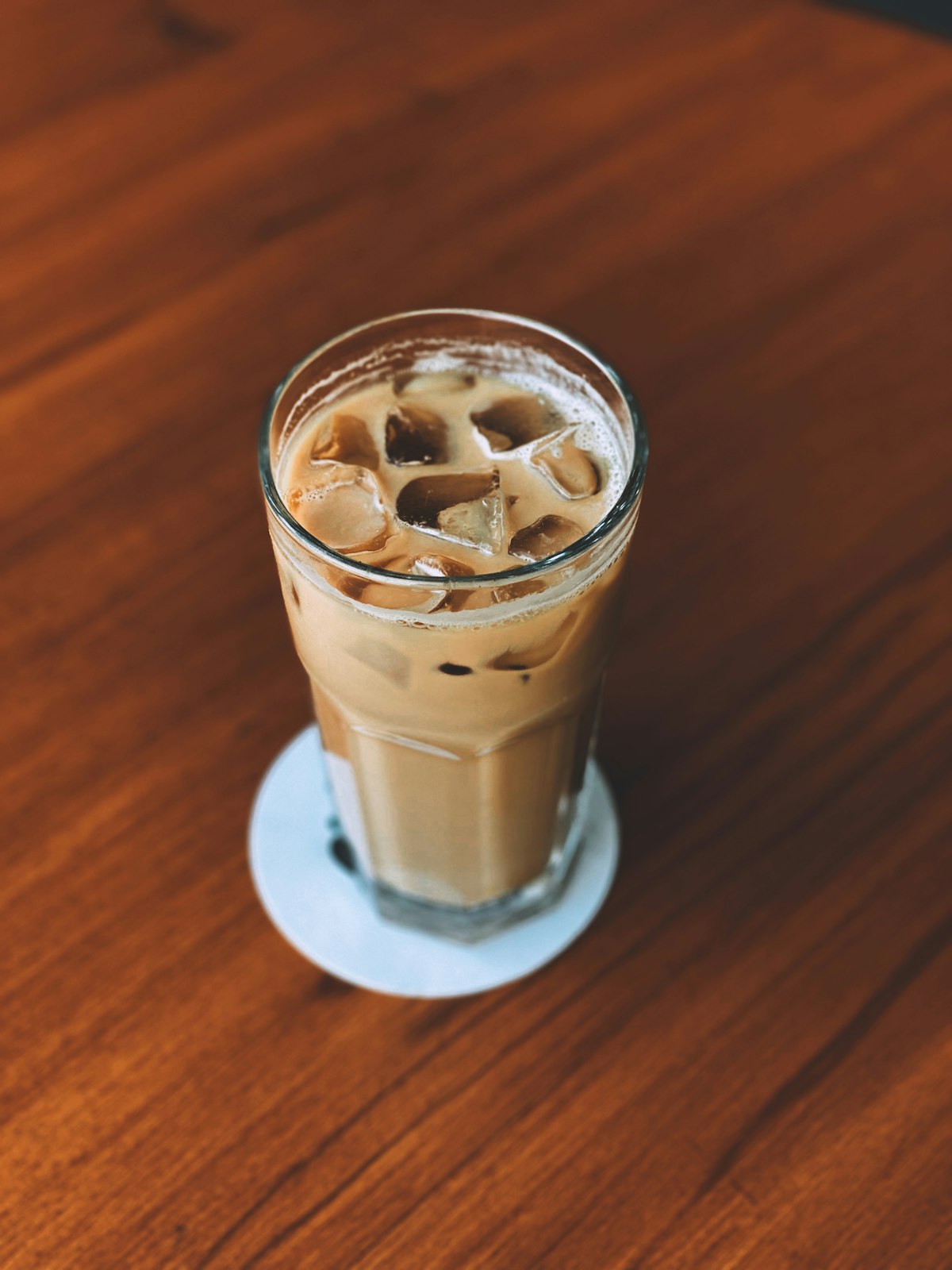
Coffee basics
Cold brew vs iced coffee: two roads to a cold cup
Cold brew extracts coffee in cool water over a long steep. Iced coffee usually starts with hot brewing and is then cooled or brewed directly onto ice. They are different recipes, not different coffee species.
Follow your curiosity ↗Brew guides
How to make cold brew coffee at home
For our simple refrigerator-steep starting recipe, combine 60 g coarsely ground coffee with 600 g cool drinking water, cover, refrigerate for 16 hours, then strain. Taste and dilute as needed; this is a house starting point, not a universal standard.
Follow your curiosity ↗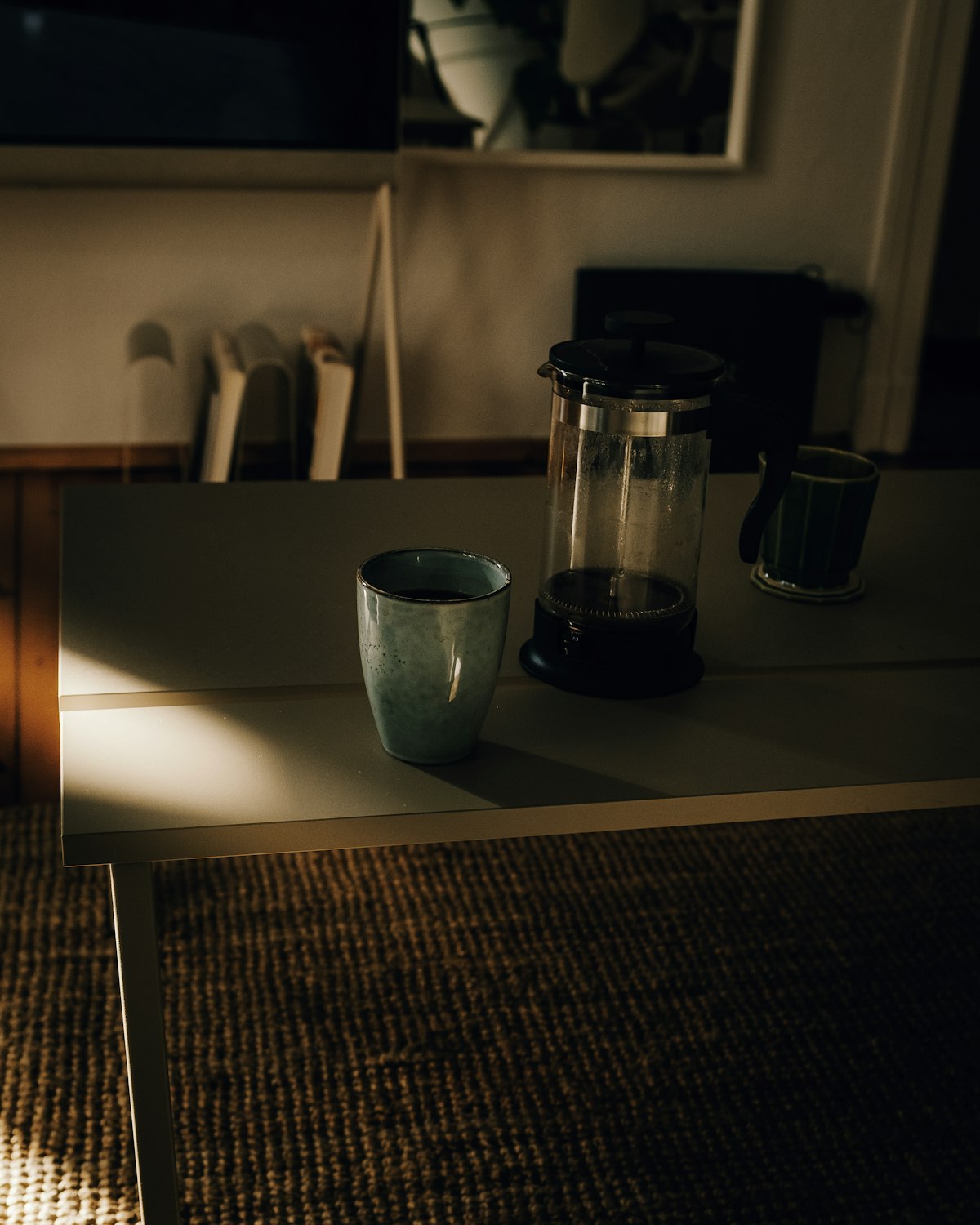
Brew guides
How to use a French press without the mud bath
A French press steeps ground coffee in water, then separates most grounds with a mesh plunger. Our starting recipe is 30 g medium-coarse coffee to 500 g water, about four minutes of steeping, then a gentle plunge and immediate serving.
Follow your curiosity ↗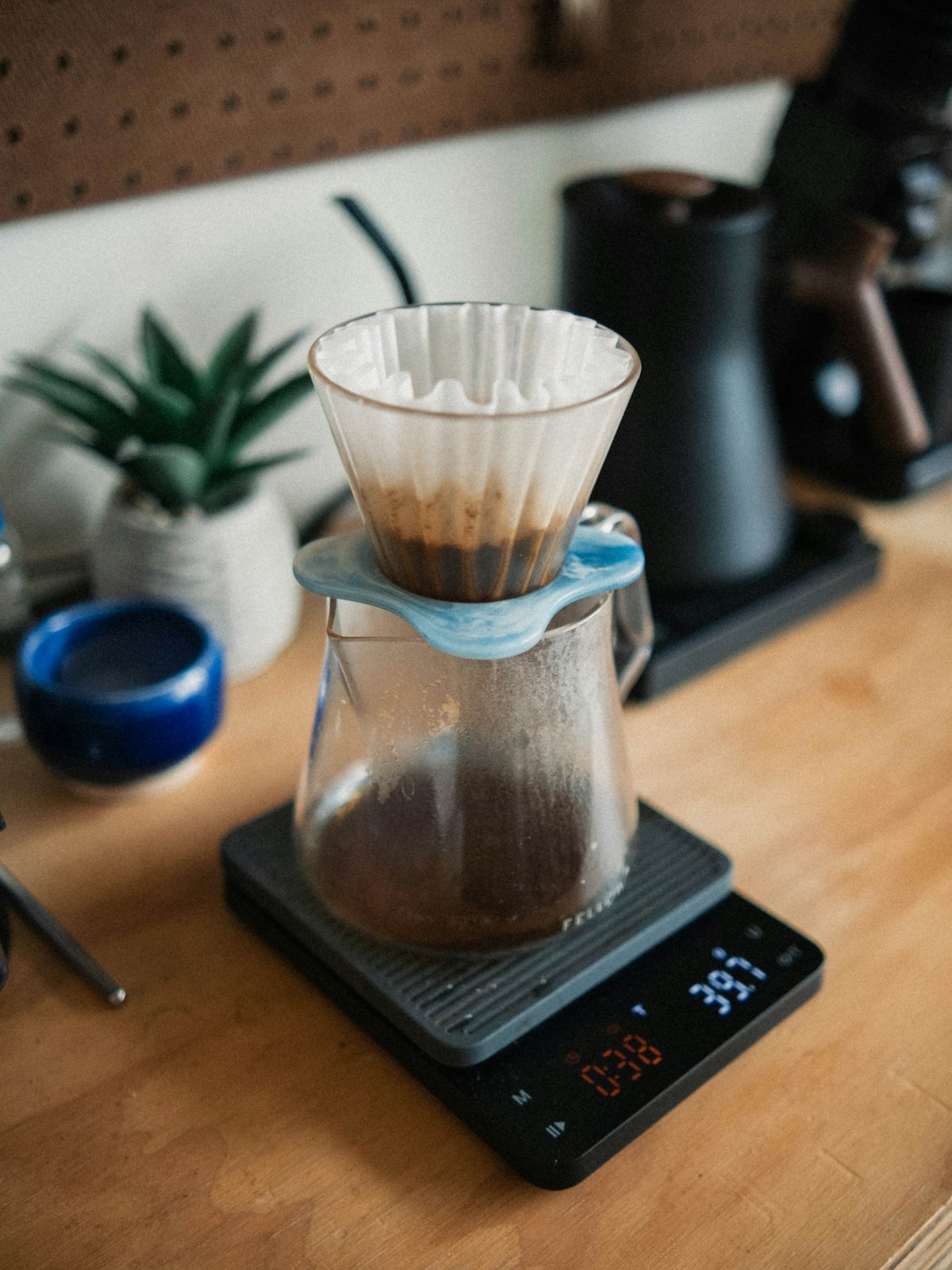
Brew guides
How to make pour-over coffee: a small morning ritual
Pour-over coffee is made by pouring hot water over grounds held in a filter. Our house starting point is 20 g medium-fine coffee and 320 g water: wet the grounds, pause briefly, then pour steadily and let the brewer drain. Adjust the next cup by taste.
Follow your curiosity ↗Brew guides
What is the best coffee-to-water ratio?
For everyday filter coffee, 1:16 is a practical starting point: one gram of dry coffee for every 16 g of brewing water. A 20 g dose therefore pairs with 320 g water. Treat the ratio as a starting recipe, not a rule for every brewing method.
Follow your curiosity ↗Brew guides
What grind size should I use for coffee?
Use fine grounds for espresso, medium-fine for many cone drippers, medium for many drip machines and medium-coarse for a French press. These are starting descriptions; your grinder, brewer and coffee decide the final setting.
Follow your curiosity ↗Coffee basics
Arabica vs robusta: what is the difference?
Arabica and robusta are two major commercial coffee species: Coffea arabica and Coffea canephora. They differ genetically, agronomically and in typical cup character. Neither species name alone tells you whether you will enjoy a particular coffee.
Follow your curiosity ↗Coffee basics
Light vs dark roast: flavour, strength and caffeine
Lighter and darker roasts describe how coffee develops during roasting. They are useful clues to flavour, but roast colour is not a reliable serving-level caffeine calculation. Dose, species and brewing recipe matter too.
Follow your curiosity ↗Coffee basics
How is decaf coffee made?
Decaffeination removes most caffeine from green coffee before roasting. Different processes use water-based systems, carbon dioxide or approved solvents. Decaf is not necessarily caffeine-free, and the method should be checked on the specific product.
Follow your curiosity ↗Coffee basics
How should you store coffee beans?
Keep your everyday coffee tightly sealed in a cool, dry place away from direct light and heat. Buy a quantity that fits your routine, close the bag after each use and avoid turning the storage shelf into a collection of half-open souvenirs.
Follow your curiosity ↗Troubleshooting
Why does my coffee taste bitter?
Unpleasant bitterness can come from roast style, uneven or excessive extraction, dirty equipment or an overly concentrated recipe. There is no single cause. Start with a clean brewer, then change one brewing variable at a time.
Follow your curiosity ↗Troubleshooting
Why does my coffee taste sour?
Sharp, unbalanced sourness can be a sign of insufficient or uneven extraction, but a coffee’s natural acidity can also be intentional. A fruity cup is not automatically a failed cup. Compare sweetness and balance before changing the recipe.
Follow your curiosity ↗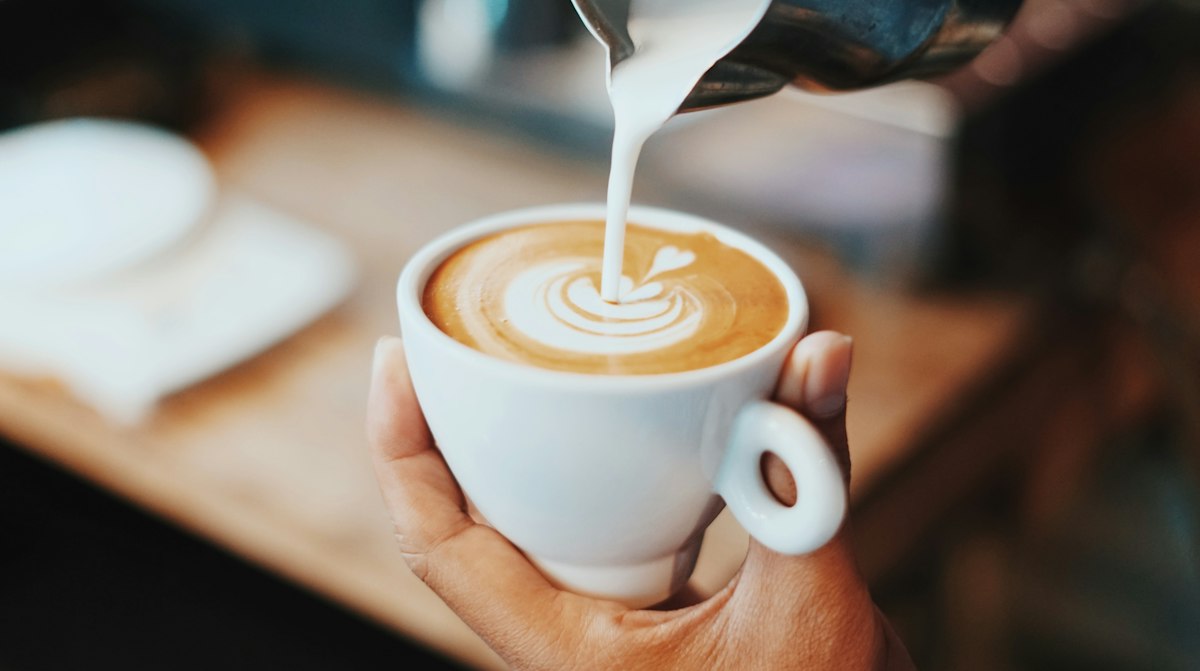
Drink guides
Latte vs cappuccino vs flat white: order with confidence
All three usually combine espresso with heated, textured milk. A latte is generally milkier, a cappuccino foamier, and a flat white smaller with fine microfoam and a more coffee-forward balance. Exact sizes and definitions vary by café and country.
Follow your curiosity ↗Drink guides
What is an Americano, and how do you make one?
An Americano is espresso diluted with hot water. It is not drip coffee, even when the cup size looks similar. Begin with one double espresso and add hot water a little at a time until the drink tastes balanced to you.
Follow your curiosity ↗Brew guides
How to make espresso at home: a sensible starting point
For a capable espresso setup, start with an appropriate basket dose and a repeatable grind, then measure the finished shot. A 1:2 dry-coffee-to-beverage ratio is a common starting experiment: 18 g coffee producing about 36 g espresso, if your basket suits 18 g.
Follow your curiosity ↗Coffee basics
Whole bean vs ground coffee: which should you buy?
Buy whole beans if you have a suitable grinder and want to adjust the grind for different brewers. Choose ground coffee when convenience matters more or you do not have a grinder; ask for a grind matched to your method.
Follow your curiosity ↗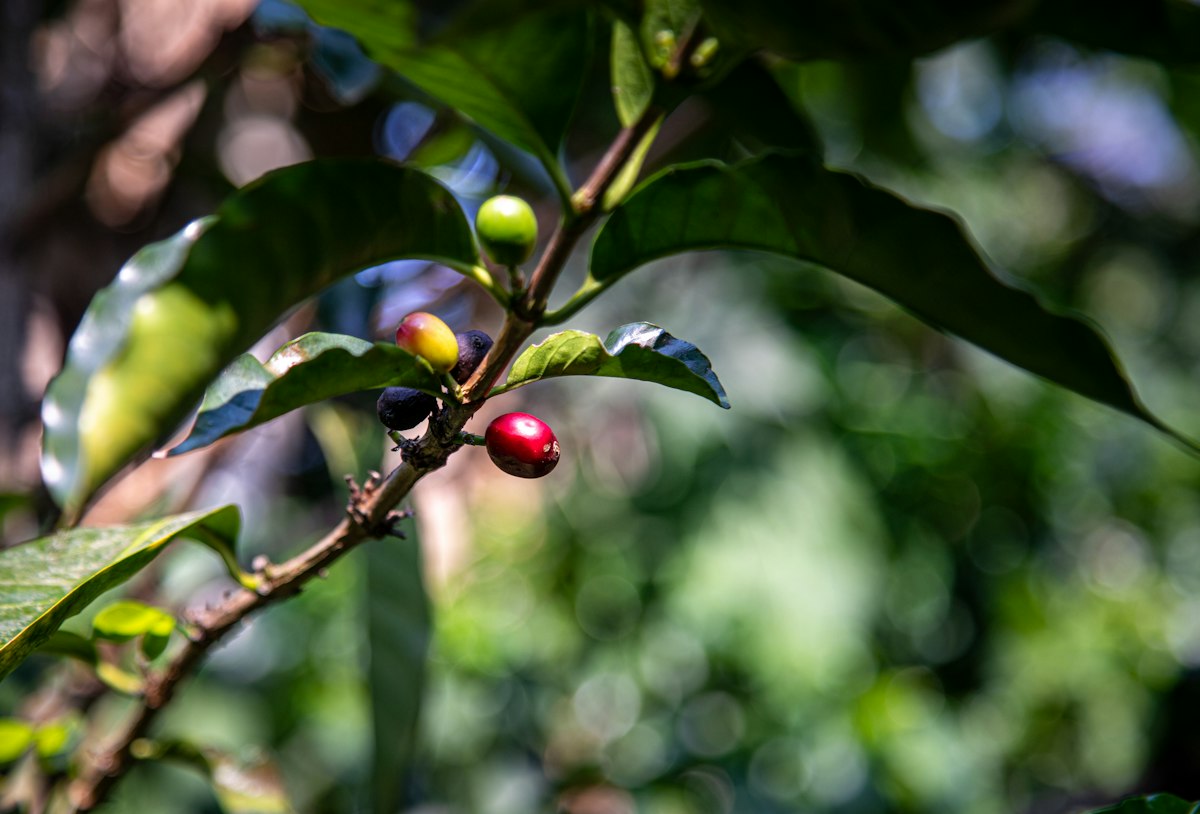
Coffee culture
Where did coffee originate? A history beyond the goat story
Arabica coffee’s botanical origins are in Ethiopia; Yemen played a central role in the early cultivation and spread of coffee drinking. The familiar goat-herder discovery story is a legend, not a securely documented historical event.
Follow your curiosity ↗Recipes
How to make an iced latte without a watery finish
For a simple iced latte, put ice in a glass, add 150–180 ml cold milk or a suitable plant drink, then stir in a freshly brewed double espresso. Adjust milk and sweetness to taste. This is a Coffee Buds starting recipe rather than a universal café standard.
Follow your curiosity ↗20 useful coffee questions selected to cover recurring informational, comparison, brewing and recipe search intents. This is an editorial starter set, not a verified ranking of the 20 highest-volume searches. No Keyword Planner/Search Console dataset or defined country/language volume study was available. Validate priorities with first-party search performance after publication. Research reviewed 22 October 2026. House recipes are original starting points, not independently tested laboratory protocols.