A MOMENT TO IMAGINE
One more line in the notebook
A coffee notebook need not look impressive. “Silky, then a little citrus” is a useful entry. Our Peru is a medium roast whose listed tasting profile includes salted caramel, silky sweetness, and citrus. Treat the words as an invitation to pay attention, not a tasting exam you have to pass.
For a place to begin exploring the culture, learn the phrase café pasado: filtered coffee, with preparation and strength varying by setting. Brew a fresh filter cup at home and measure the coffee and water once, so you can repeat the version you enjoy. Peru’s coffee history reaches back to the eighteenth century and crosses several growing areas. Your bag is one introduction to that larger story. Sit down long enough to give it a second line.
What to call it
Café means coffee in Spanish. Café pasado is a regional term for brewed, filtered coffee.
How it’s brewed
Café pasado is made by passing water through ground coffee using a fabric, paper, or metal filter. Preparation and strength vary. It is a useful phrase, not a promise that every café or household serves the same drink.
A little history
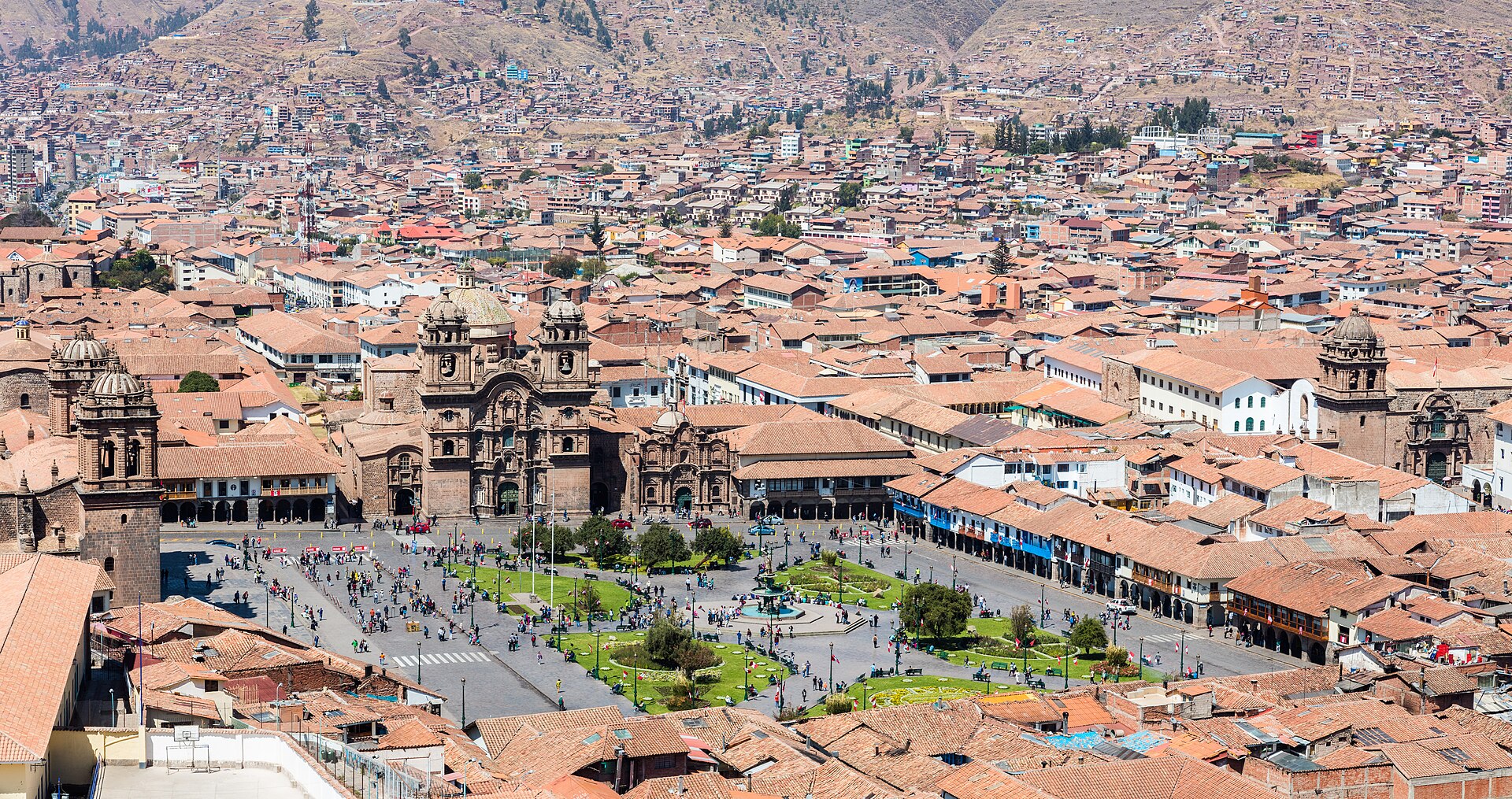
Peru’s official tourism site places coffee’s arrival between 1740 and 1760, with cultivation developing in places including Huánuco, Cusco, and Jaén. The country’s coffee map crosses many landscapes; “Peruvian” should open the conversation rather than finish it.
A small ritual to try
Try Peru as a fresh filter brew and use a scale once, just to learn your preferred strength. Then sit down. If a coffee reminds you of an early bus or a mountain breakfast, that memory is yours to bring; we are not claiming a trip we did not take.
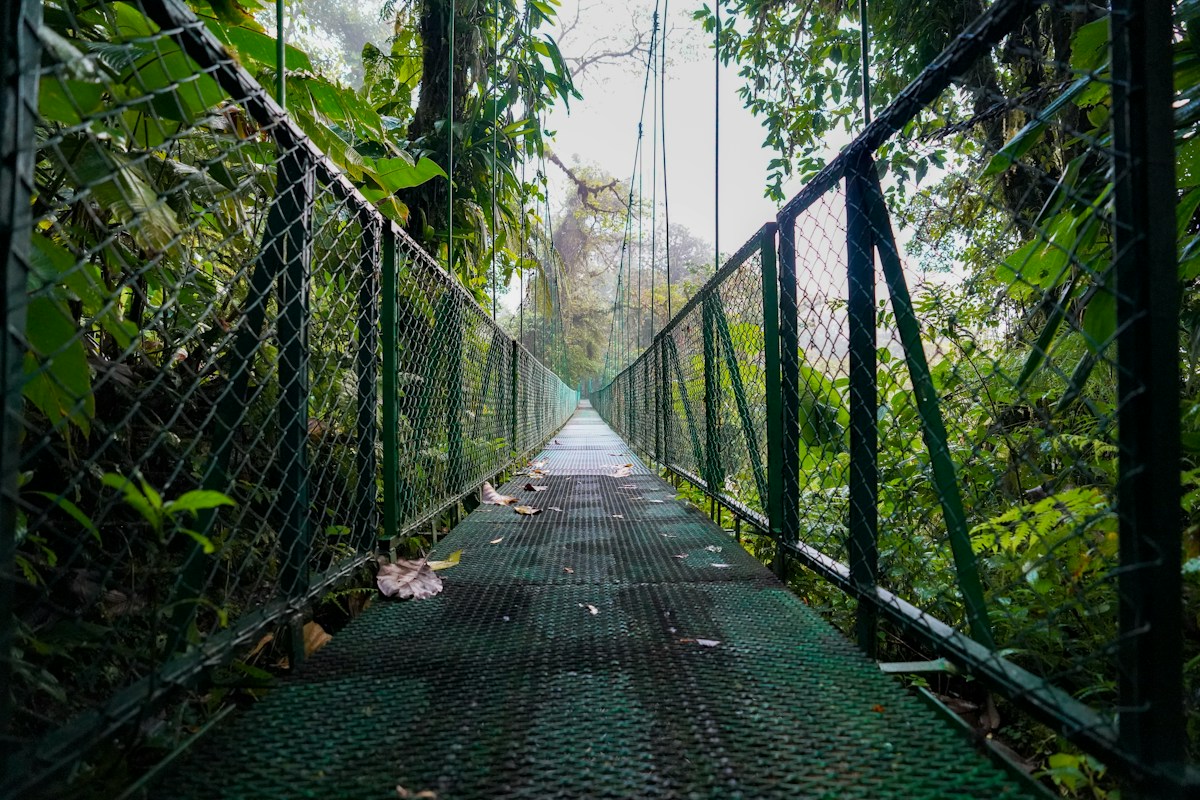
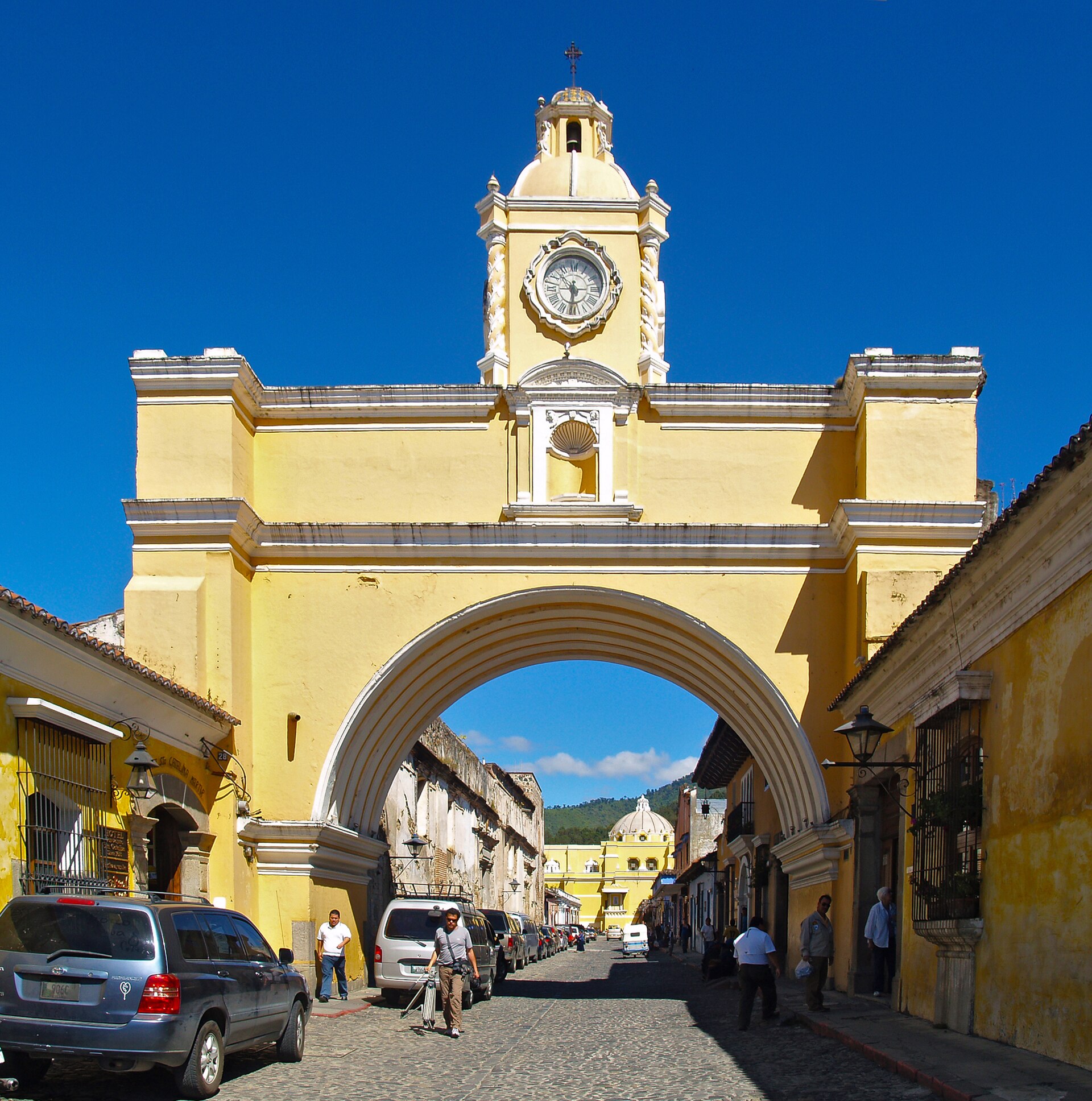
These notes introduce traditions, not rules for everyone in a country. Recipes, languages, and café habits vary by region and household. Destination photographs illustrate a place, not a claim about the farm behind a bag.
The coffee in your bag
Write one plain-language impression before reading the bag’s tasting notes, then compare the two.
Our brewing suggestion: open the drip coffee guide ↗. This pairing is a way to explore the coffee at home, rather than a claim about the country’s traditional brewer.
LET YOUR TASTE KEEP WANDERING
Two more stops to explore.
Sources & further reading
Source links support the factual context. Our home recipes and tasting suggestions are identified as starting points.