
A MOMENT TO IMAGINE
A notebook with room for people
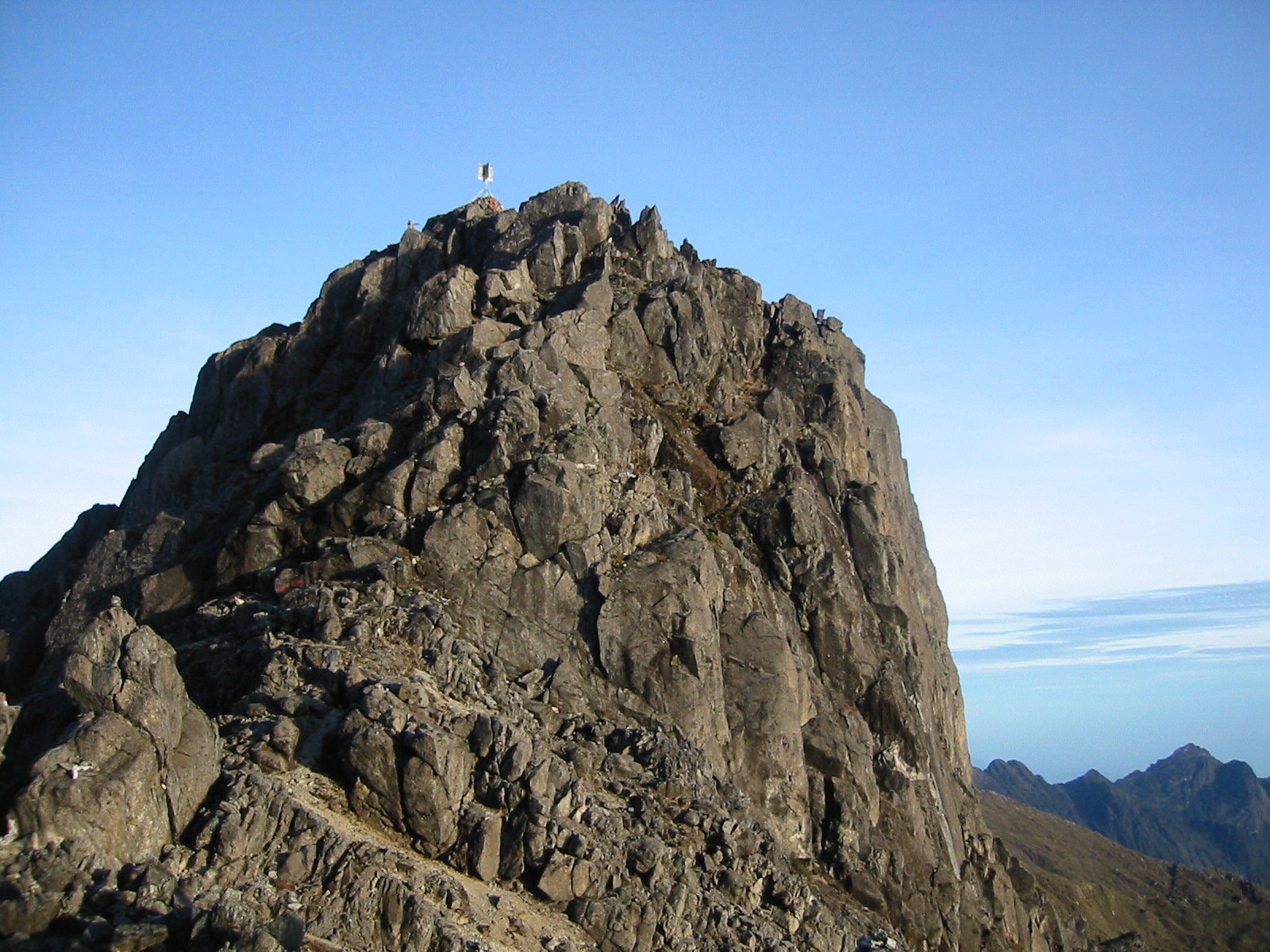
A mountain photograph can stop you mid-scroll. A coffee label can help you look a little longer. Our Papua New Guinea names small agricultural cooperatives in Chimbu and a medium roast with caramel, honey, and fruit tasting notes. Begin with that place and those details, then follow your curiosity beyond the scenery.
The country’s highland coffee history includes Indigenous growers’ work as well as colonial enterprise and government promotion. It deserves more than a romantic sentence about remoteness. For your own kitchen, brew a simple filter or immersion cup, taste it black, then try a little milk. There is room to make the ritual your own. Record what changes in words you use every day. A useful notebook can hold a region, a question, and “I liked the second sip better.”
What to call it
Coffee is widely used in English; this highly multilingual country has no single local word that represents every community.
How it’s brewed
We do not label one brewer as a nationwide ancestral tradition. For a home introduction, use a simple immersion brewer or paper filter. These are tasting suggestions for the beans, not claims about how every Papua New Guinean drinks coffee.
A little history
Highland coffee production expanded in the twentieth century through an unequal mix of colonial enterprise, government promotion, and Indigenous growers’ work. Village coffee histories are essential to the story; a romantic tale about remote mountains alone misses the people who built the industry.
A small ritual to try
Try Papua New Guinea black first, then with a little milk. Write down what changes. A coffee journal needs no elaborate tasting vocabulary: “better after the second sip” is a perfectly good field note.
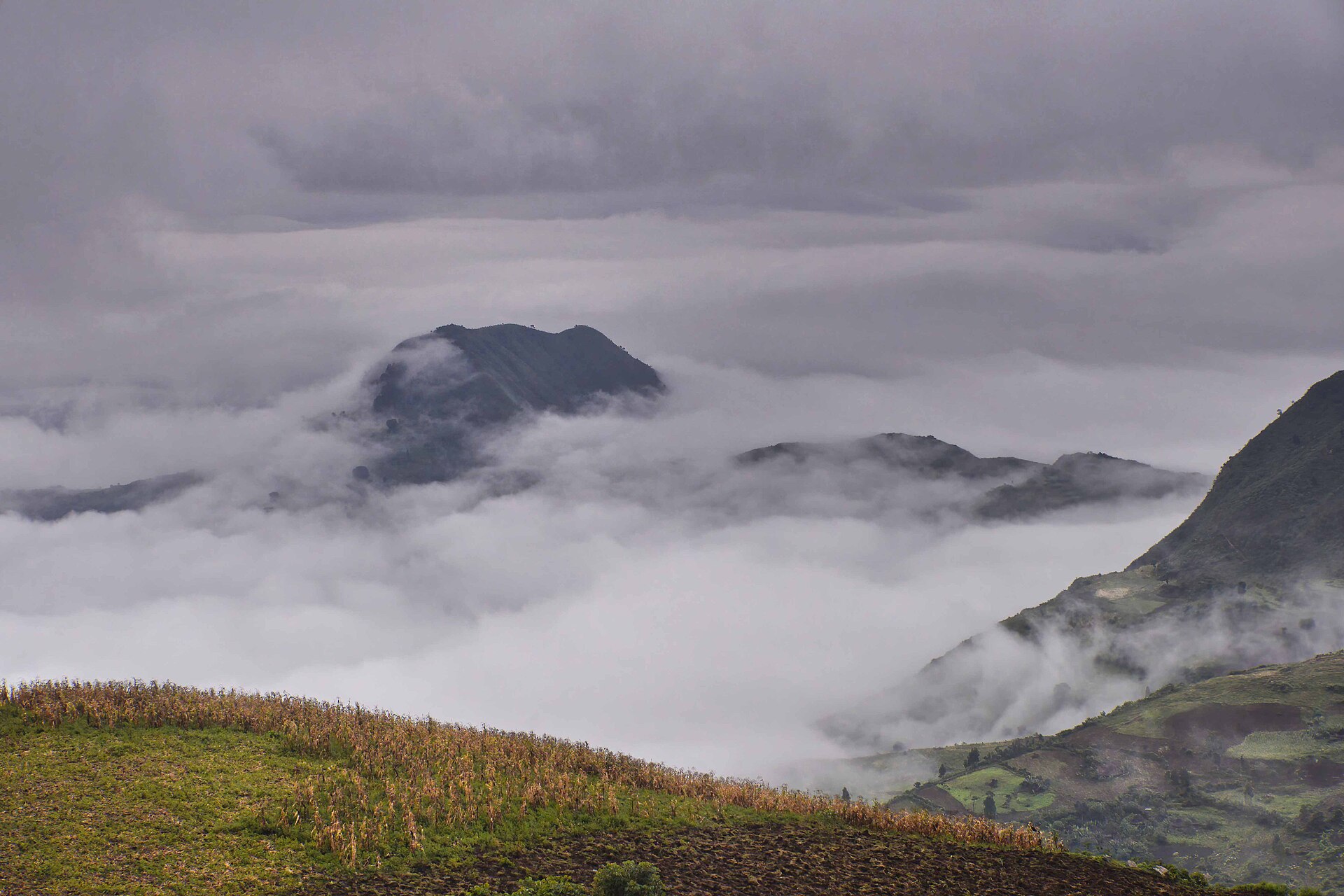
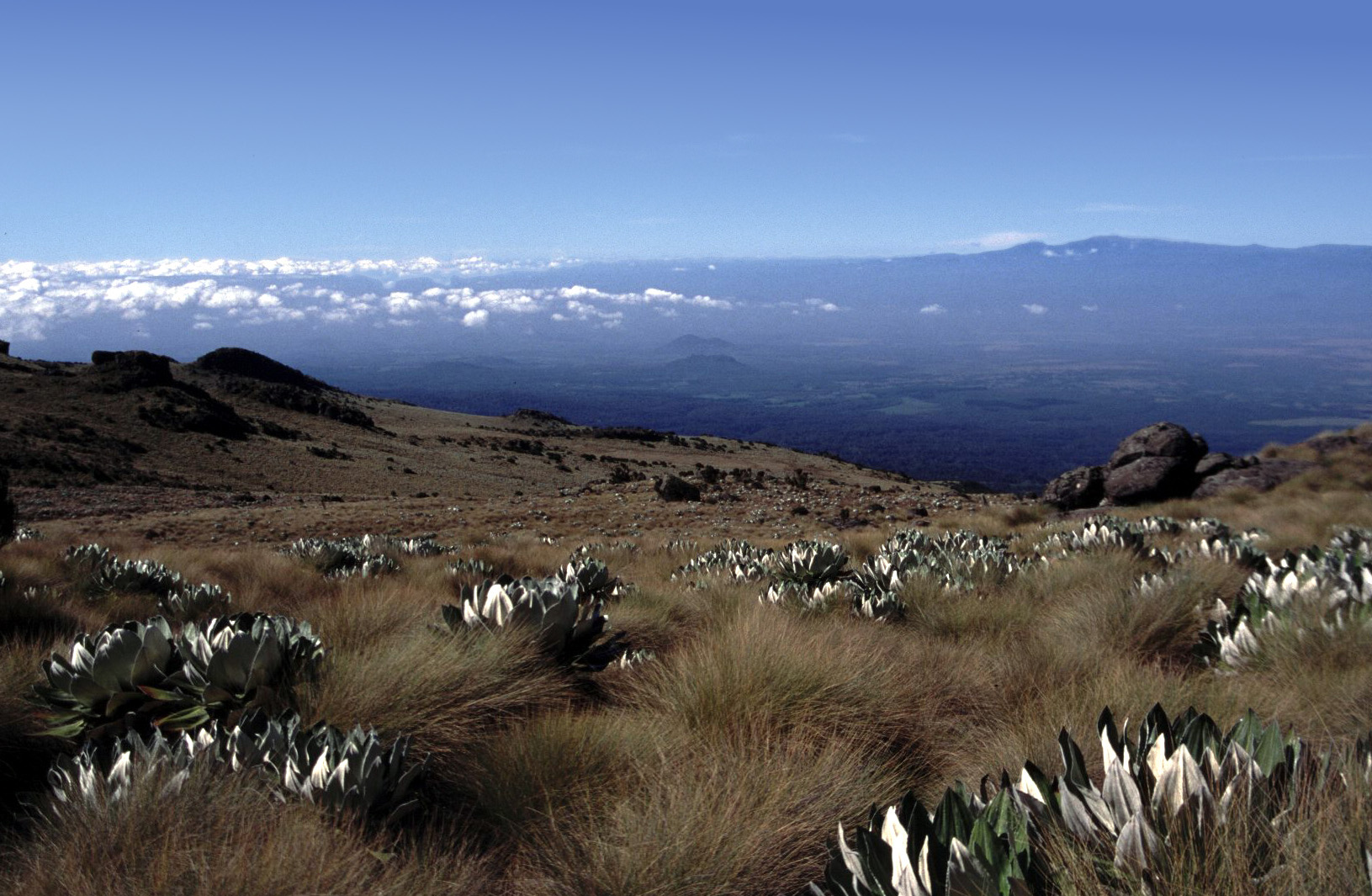
These notes introduce traditions, not rules for everyone in a country. Recipes, languages, and café habits vary by region and household. Destination photographs illustrate a place, not a claim about the farm behind a bag.
The coffee in your bag
Set the bag beside your cup and put one question about its growing region in your notebook.
Our brewing suggestion: open the drip coffee guide ↗. This pairing is a way to explore the coffee at home, rather than a claim about the country’s traditional brewer.
LET YOUR TASTE KEEP WANDERING
Two more stops to explore.
Sources & further reading
Source links support the factual context. Our home recipes and tasting suggestions are identified as starting points.